
 By admin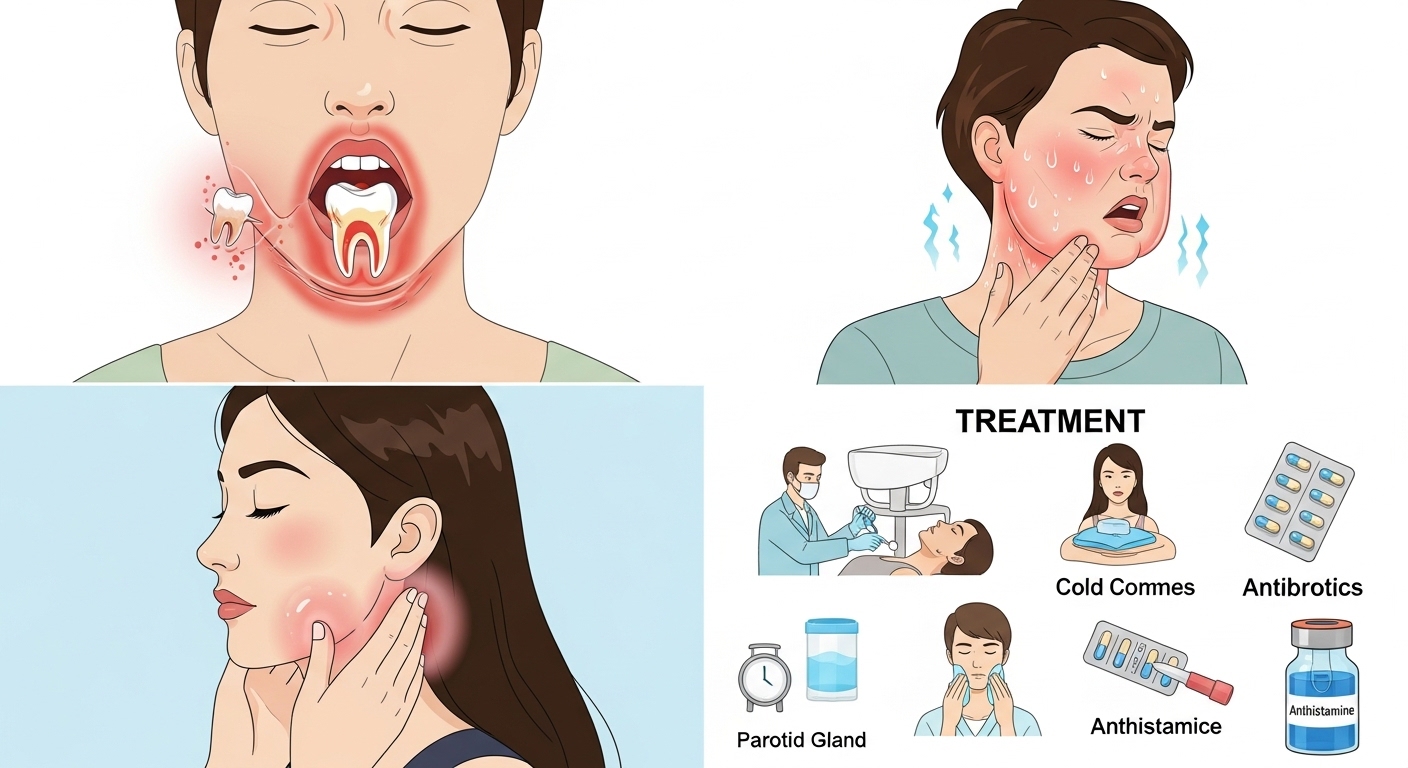
A swollen jaw can be a concerning and uncomfortable condition that affects daily life, making it difficult to eat, speak, or even move the mouth freely. Jaw swelling can occur suddenly or develop gradually and may be accompanied by pain, tenderness, or stiffness. While some cases are minor and temporary, others can signal underlying health issues that require medical attention. Understanding the possible causes, recognizing the associated symptoms, and knowing how to manage a swollen jaw is essential for maintaining oral and overall health. This guide explores common triggers, treatment options, preventive strategies, and when it is necessary to seek professional care, providing a comprehensive overview for anyone experiencing jaw swelling.
Common Causes of a Swollen Jaw
A swollen jaw can result from a variety of conditions, ranging from dental problems to infections and injuries. Tooth abscesses or impacted wisdom teeth are frequent dental causes, leading to localized swelling and pain. Infections of the salivary glands or lymph nodes can also produce noticeable swelling, sometimes accompanied by fever or discomfort in nearby areas. Trauma to the jaw, such as a fracture or blunt force injury, often causes rapid swelling and bruising. In some cases, temporomandibular joint (TMJ) disorders lead to inflammation and jaw enlargement. Recognizing the underlying cause is crucial, as each condition requires a different approach to treatment and recovery. Prompt identification can prevent complications and improve overall outcomes.
Symptoms to Watch For
Swelling in the jaw is often accompanied by pain, tenderness, and stiffness, making it difficult to open or close the mouth. Additional symptoms may include redness, warmth, or a feeling of pressure in the affected area. In cases caused by infection, fever, fatigue, or pus may be present. Difficulty chewing, speaking, or swallowing can also occur if the swelling is significant. Some people notice a lump or hard mass along the jawline or near the ears. Paying attention to these symptoms helps differentiate minor swelling from more serious conditions, such as abscesses or TMJ disorders. Keeping track of symptom progression can provide valuable information for healthcare providers when diagnosing and treating a swollen jaw.
Home Care and Self-Management
Minor cases of a swollen jaw can often be managed at home with simple care measures. Applying a cold compress to the affected area can reduce inflammation and alleviate discomfort. Over-the-counter pain relievers may help manage soreness and tenderness. Maintaining good oral hygiene by brushing and flossing gently prevents dental infections from worsening. Eating soft foods and avoiding excessive chewing can reduce strain on the jaw. Staying hydrated and resting the jaw can also contribute to faster recovery. While home care can relieve mild symptoms, it is important to monitor changes and seek medical advice if the swelling persists, worsens, or is accompanied by severe pain or fever.
Medical Treatments and Interventions
When jaw swelling is caused by infection, dental issues, or TMJ disorders, professional medical treatment is often necessary. Antibiotics may be prescribed for bacterial infections, while dental procedures, such as root canals or tooth extractions, address abscesses and impacted teeth. In cases of TMJ disorders, doctors may recommend physical therapy, oral splints, or anti-inflammatory medications to reduce pain and swelling. Severe trauma or fractures may require surgical intervention or immobilization of the jaw. Timely medical treatment ensures proper healing, prevents complications, and restores jaw function. Consulting a healthcare provider is essential for identifying the precise cause of swelling and determining the most appropriate course of action.
Preventive Strategies
Preventing jaw swelling involves maintaining oral health and avoiding activities that put undue stress on the jaw. Regular dental check-ups help identify cavities, infections, or impacted teeth before they cause swelling. Using proper techniques when chewing and avoiding hard or sticky foods reduces the risk of injury or TMJ strain. Practicing good posture and stress management can also minimize tension in the jaw muscles. Promptly addressing infections and dental problems prevents them from escalating into more serious conditions. By incorporating these preventive strategies, individuals can reduce the likelihood of recurrent jaw swelling and maintain overall oral and facial health.
When to Seek Medical Attention
Immediate medical attention is recommended if jaw swelling is severe, persistent, or accompanied by high fever, severe pain, difficulty breathing, or swallowing. Sudden trauma to the jaw, visible deformity, or pus discharge also warrants urgent evaluation. Timely consultation with a healthcare professional ensures proper diagnosis, reduces the risk of complications, and provides effective treatment. Early intervention can prevent infections from spreading, address fractures promptly, and relieve chronic discomfort caused by TMJ disorders. Knowing when to seek help is essential for protecting overall health and ensuring that a swollen jaw does not lead to more serious health issues.
Conclusion
A swollen jaw can result from a variety of causes, including dental issues, infections, injuries, and TMJ disorders. Recognizing the symptoms, applying proper home care, and seeking medical attention when necessary are key to effective management and recovery. Preventive strategies such as maintaining oral hygiene, regular dental check-ups, and avoiding stress or strain on the jaw can reduce the likelihood of swelling. By understanding the underlying causes and treatment options, individuals can protect their oral health and address jaw swelling promptly, ensuring comfort and proper jaw function.