
 By admin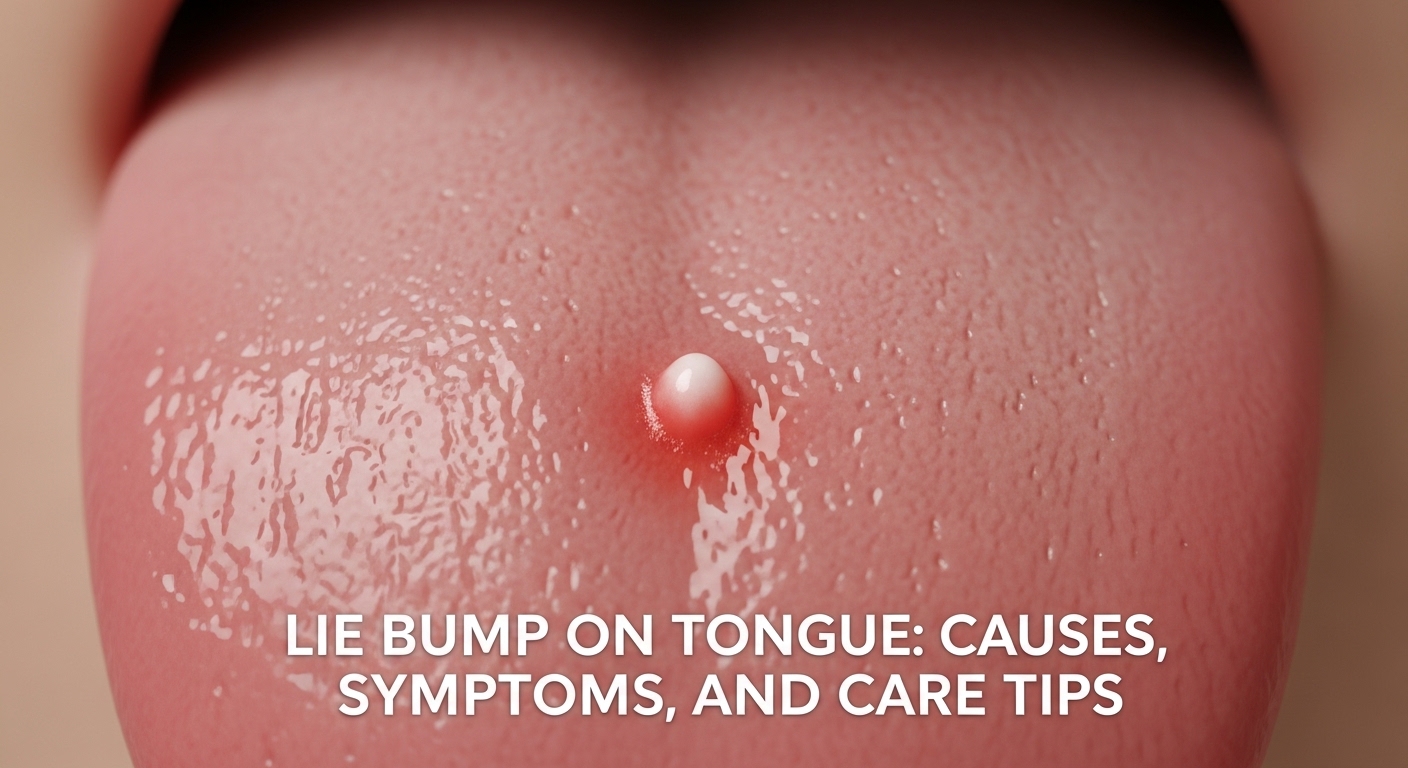
A lie bump on the tongue, medically referred to as transient lingual papillitis, is a common condition that can cause discomfort and concern. These small, raised bumps often appear suddenly and may cause pain, irritation, or a burning sensation. Despite their alarming appearance, lie bumps are generally harmless and usually resolve on their own within a few days. Many people mistakenly worry that these bumps are indicative of a serious oral health issue, but they are typically a temporary irritation. Understanding the causes, recognizing symptoms, and knowing how to care for a lie bump on the tongue can help individuals manage discomfort and maintain oral health effectively. This guide explores the main triggers, treatment options, and preventive measures associated with lie bumps, providing practical insights for anyone experiencing this condition.
What is a Lie Bump on the Tongue
A lie bump on the tongue is a small, inflamed papilla, the tiny structures on the tongue responsible for taste sensation. These bumps often appear red or white and can cause localized pain, especially when eating or drinking certain foods. The term “lie bump” is colloquial, stemming from the belief that these bumps appear after telling a lie, but there is no scientific connection. Lie bumps are generally temporary and not contagious. They may vary in size and intensity, sometimes forming clusters that create more noticeable discomfort. Recognizing that these bumps are benign helps reduce anxiety and guides appropriate self-care. Although the exact cause can differ, understanding their nature is essential for managing symptoms and preventing unnecessary worry about oral health.
Common Causes of Lie Bumps
Lie bumps on the tongue can develop for several reasons, including irritation, stress, and minor trauma. Biting or accidentally scraping the tongue while eating can inflame the papillae. Certain foods, particularly spicy, acidic, or rough-textured items, can also trigger these bumps. Stress and hormonal fluctuations may exacerbate the condition, making the tongue more sensitive to minor irritants. In some cases, viral infections or allergic reactions contribute to the formation of lie bumps. Poor oral hygiene or underlying medical conditions, such as canker sores, may further increase susceptibility. Identifying potential triggers can help reduce recurrence and guide effective care, allowing individuals to manage discomfort and support overall oral health without unnecessary concern.
Symptoms and How to Recognize Them
Lie bumps are typically small, red or white, and raised on the surface of the tongue. They often appear suddenly and may be accompanied by a burning or tingling sensation. Pain is usually mild but can intensify when eating, drinking, or brushing the tongue. The bumps generally do not affect taste significantly, although sensitivity may be temporarily heightened. Clusters of bumps may form, creating larger areas of irritation, while in other cases, a single bump may appear. Symptoms usually resolve within a few days to a week, but persistent or unusually large bumps should be evaluated by a healthcare professional. Recognizing these characteristic signs helps differentiate lie bumps from other oral conditions that may require medical attention.
Home Care and Relief
Most cases of lie bumps on the tongue can be managed effectively at home. Maintaining good oral hygiene by gently brushing the tongue and using a mild mouthwash can prevent secondary infection and promote healing. Avoiding spicy, acidic, or abrasive foods reduces irritation and discomfort. Applying a cool compress or rinsing with a saltwater solution may provide temporary relief. Over-the-counter topical oral gels can soothe pain and reduce inflammation. It is important to avoid picking or scratching the bumps, as this can prolong healing or introduce bacteria. By following these home care measures, individuals can alleviate discomfort and support the natural resolution of lie bumps within a few days.
When to See a Doctor
Although lie bumps are usually harmless, medical evaluation is necessary if symptoms persist beyond two weeks, worsen over time, or are accompanied by severe pain, swelling, or fever. Large, unusually shaped, or recurrent bumps may indicate other oral conditions, such as infections, allergic reactions, or, in rare cases, more serious diseases. A healthcare professional can perform an oral examination, rule out underlying causes, and recommend targeted treatments if necessary. Prompt attention ensures that any potential complications are addressed early, providing reassurance and effective care for persistent or severe cases of lie bumps on the tongue.
Preventing Lie Bumps
Preventing lie bumps involves reducing irritation and maintaining good oral hygiene. Avoiding habits such as biting the tongue or consuming overly spicy or acidic foods can minimize trauma to the papillae. Managing stress and staying hydrated also support oral health and reduce susceptibility. Regular dental check-ups ensure that underlying issues, such as infections or oral lesions, are addressed promptly. Using a soft-bristled toothbrush and gentle brushing techniques helps prevent unnecessary irritation. By implementing these preventive strategies, individuals can lower the risk of developing lie bumps on the tongue and maintain a comfortable, healthy mouth.
Conclusion
A lie bump on the tongue is a common and generally harmless condition that causes temporary discomfort and irritation. Understanding the causes, recognizing symptoms, and applying proper home care measures can help alleviate pain and promote healing. While most lie bumps resolve on their own, persistent, severe, or unusual cases should be evaluated by a healthcare professional. By practicing preventive strategies, maintaining oral hygiene, and monitoring symptoms, individuals can manage lie bumps effectively and support long-term oral health.