
 By admin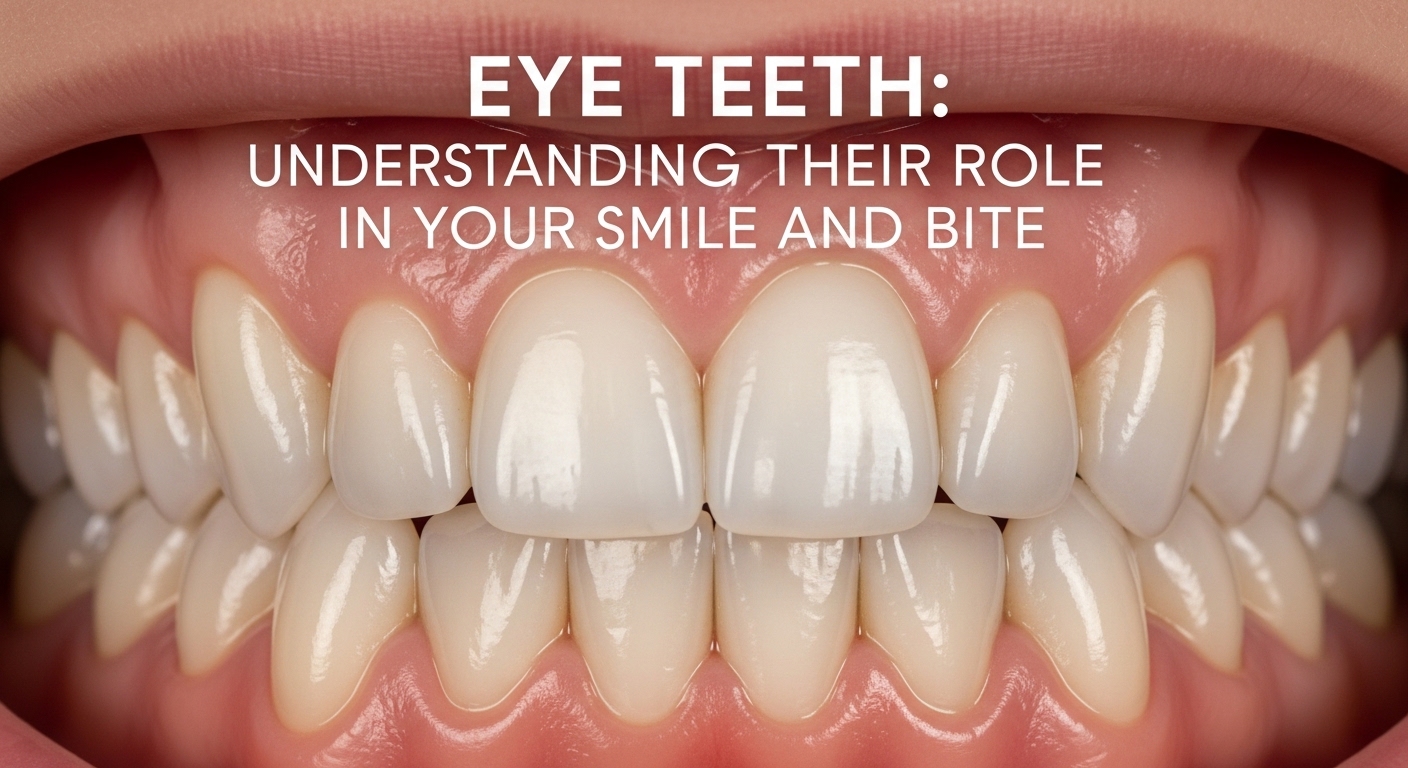
Eye teeth are a unique and important part of your dental structure, often playing a bigger role than many people realize. Also known as canines, these teeth sit between the incisors at the front and the premolars toward the back. Their position and shape make them essential for biting, tearing food, and maintaining the alignment of the entire dental arch. Eye teeth also contribute to the overall appearance of a smile, helping create a natural and balanced look. Because of their strength and strategic placement, they support the function of other teeth and guide the movement of the jaw. What eye teeth are, how they develop, and why they matter for both dental health and aesthetics.
What Are Eye Teeth and Why They Are Important
Eye teeth, or canine teeth, are the pointed teeth located on each side of the upper and lower front teeth. They are usually the longest teeth in the mouth and are designed to withstand strong forces during biting. The shape of eye teeth helps in tearing tougher foods and supporting the lips and facial structure. Beyond function, eye teeth play a key role in dental alignment. They guide the bite and help distribute pressure evenly when chewing, which protects other teeth from excessive wear. Because they are so strong, eye teeth often serve as anchors during orthodontic treatment and can influence how the jaw moves. Understanding their importance can help people appreciate why maintaining healthy eye teeth is essential for overall oral function.
How Eye Teeth Develop and When They Erupt
Eye teeth typically develop early in childhood, with the permanent canines appearing later than the front incisors. In most cases, the upper eye teeth emerge between the ages of nine and twelve, while the lower canines may come in slightly earlier. The timing can vary based on genetics, dental development, and individual growth patterns. It is common for eye teeth to be among the last of the front teeth to fully emerge, which sometimes leads to crowding or delayed eruption. Regular dental check-ups during childhood help monitor their development and identify any issues early. If eye teeth do not erupt on time or appear misaligned, a dentist or orthodontist can recommend appropriate treatment to guide them into the correct position.
Common Issues Related to Eye Teeth
Eye teeth can be affected by several common dental problems, including crowding, impaction, and misalignment. Because they are larger and stronger than other front teeth, they require enough space to emerge properly. When there is limited space, eye teeth may become impacted, meaning they are blocked from coming in fully. This can cause pain, swelling, or shifting of nearby teeth. Misaligned eye teeth can also affect the bite and lead to uneven wear on the dental surfaces. In some cases, the eye teeth may erupt at an angle or in the wrong position, which can impact both function and appearance. Identifying these issues early allows for more effective treatment and reduces the risk of long-term dental complications.
Eye Teeth and Orthodontic Treatment
Eye teeth play a central role in orthodontic treatment because of their position and influence on the bite. Orthodontists often use the canines as key reference points for aligning the rest of the teeth. When eye teeth are properly positioned, they help create a stable and functional bite. If they are crowded or impacted, orthodontic treatment may involve creating space, guiding the teeth into place, or using braces and other appliances to correct the alignment. In some cases, extraction of a different tooth may be recommended to make room for the eye. Proper alignment of the canines can improve chewing efficiency, reduce stress on the jaw, and enhance the overall appearance of the smile.
Caring for Eye Teeth for Long-Term Oral Health
Maintaining healthy eye requires the same daily care as other teeth, including regular brushing, flossing, and routine dental check-ups. Because eye are strong and used frequently for biting, they can be susceptible to wear or damage if the bite is uneven or if there is grinding. It is important to address any issues such as tooth sensitivity, pain, or changes in bite early. Wearing a mouthguard during sports or if you grind your teeth can protect the canines from chipping or fracture. Regular dental visits also allow for early detection of cavities or gum problems around the eye. With consistent care and attention, eye can remain strong and functional for a lifetime.
The Aesthetic Role of Eye Teeth in Your Smile
Eye teeth contribute significantly to the shape and balance of a smile. Their pointed shape and placement help define the natural curve of the dental arch and support the lips, which affects facial appearance. When eye are aligned and healthy, they enhance the symmetry of the smile and provide a more youthful look. Conversely, misaligned or missing eye can impact the overall appearance and may cause changes in facial structure over time. Cosmetic dental options, such as orthodontic treatment, veneers, or bonding, can help improve the appearance of eye when needed. Understanding the aesthetic importance of canines helps highlight why they are often a focus in both functional and cosmetic dental care.
Conclusion
Eye teeth are a vital part of your dental structure, playing a key role in biting, alignment, and smile aesthetics. Their strength and position make them essential for maintaining a balanced bite and supporting the function of surrounding teeth. By understanding how they develop, recognizing common issues, and practicing proper dental care, you can help ensure your eye remain healthy and strong. Regular dental visits and early treatment of any problems will support long-term oral health and a confident smile.