
 By admin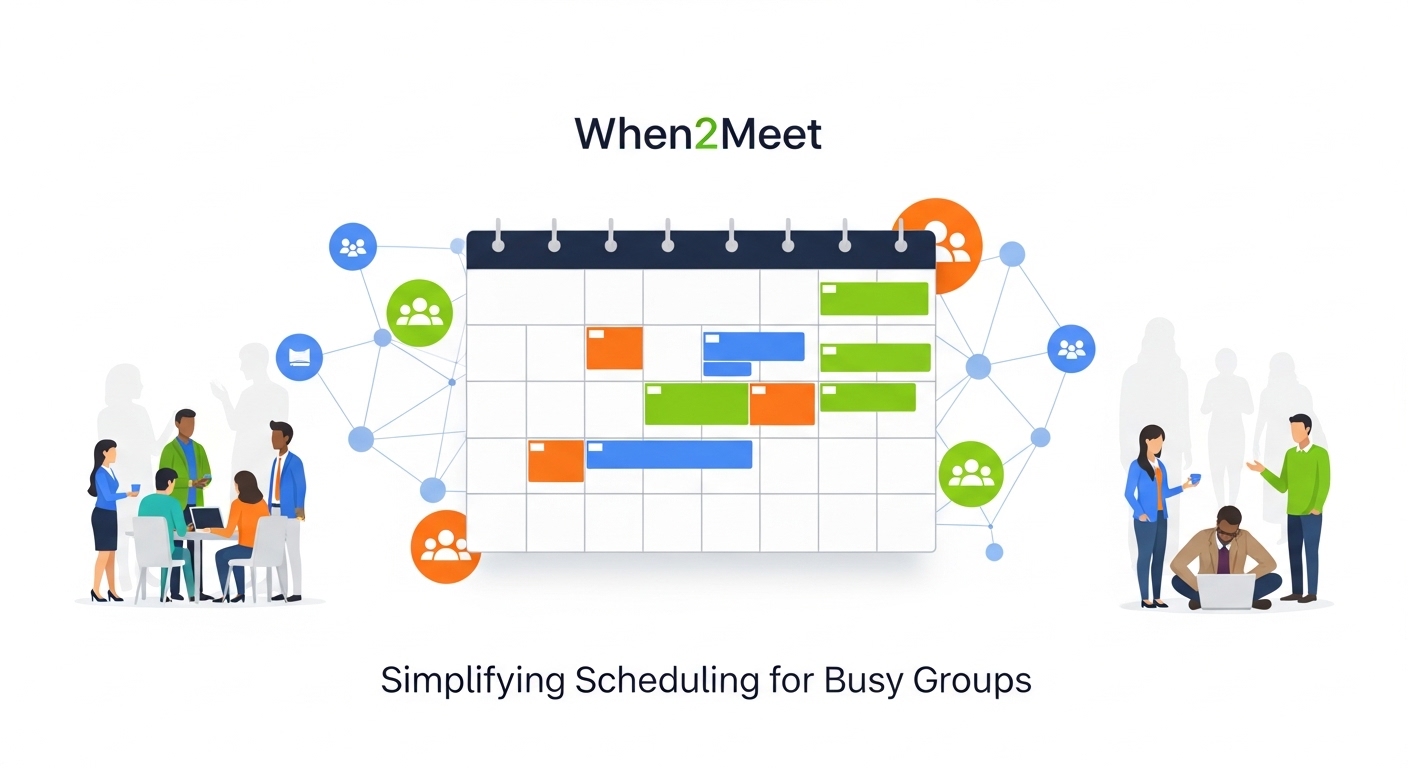
Coordinating a meeting time that works for everyone can be a frustrating task, especially when dealing with different time zones, work schedules, and personal commitments. When2Meet is a simple yet powerful tool designed to streamline this process by allowing participants to share their availability in a clear and visual format. Instead of relying on long email chains or endless text messages, users can create a scheduling grid and invite others to mark the times they are free. This makes it easier to identify common windows for meetings, events, or group activities. Whether you are organizing a team call, planning a social gathering, or scheduling a class session, When2Meet can help reduce the back-and-forth and make scheduling more efficient.
How When2Meet Works
When2Meet operates on a straightforward concept that prioritizes ease of use. The organizer creates an event and selects potential time slots, then shares the link with participants. Each participant marks their availability directly on the grid, and the tool automatically highlights the best overlapping times. This visual approach makes it easy to see at a glance which options work for most people. Unlike some scheduling tools that require accounts or complex setup, When2Meet keeps the process simple and accessible. Participants can join and indicate availability without logging in, which is especially useful for casual groups or one-time events. The simplicity of the platform makes it a practical choice for anyone who needs a quick and reliable way to coordinate schedules.
Benefits for Teams and Organizations
When2Meet is particularly valuable for teams and organizations that need to coordinate meetings with multiple members. It eliminates the need for constant communication and helps ensure that decisions are based on clear availability data. For teams working remotely or across different time zones, the tool provides a visual representation of overlapping availability, which can reduce scheduling conflicts. This can be especially helpful for project teams, volunteer groups, and academic settings where participants have varying commitments. By using When2Meet, teams can save time and focus more on the meeting agenda rather than logistics. The tool also supports transparency, as everyone can see the same information and understand how the final time was chosen.
Planning Social Events with Less Stress
Planning social events can be just as challenging as scheduling professional meetings, and When2Meet can make the process smoother. Whether it is a birthday celebration, group outing, or community event, the tool helps identify the best time for everyone to gather. Instead of relying on multiple messages and guesses, organizers can present a clear set of options and let participants mark their availability. This reduces misunderstandings and helps ensure that the event time is chosen fairly. When2Meet also works well for recurring gatherings, such as weekly meetups or club meetings, by allowing organizers to quickly find consistent time slots. The ease of use makes it a helpful tool for anyone looking to coordinate group activities with minimal hassle.
Tips for Getting Accurate Responses
To get the most accurate and useful results from When2Meet, it is important to provide clear information and encourage prompt responses. Organizers should set a deadline for participants to mark their availability, which helps avoid delays in finalizing plans. Including a brief description of the event and any necessary details, such as duration and location, can also help participants make informed decisions. It is helpful to offer a range of potential times rather than limiting options too narrowly. This increases the likelihood of finding a suitable overlap. Additionally, organizers should consider time zone differences when creating the schedule, especially for international groups. By setting clear expectations and providing enough options, When2Meet can deliver reliable results and reduce the time spent on scheduling.
Alternatives and Complementary Tools
While When2Meet is effective for many scheduling needs, it can be complemented by other tools depending on the situation. Calendar applications, such as Google Calendar or Outlook, can be useful for sending official invitations once a time is selected. Video conferencing platforms may also integrate scheduling features for team meetings. However, When2Meet remains a strong choice for initial availability gathering due to its simplicity and visual format. For larger organizations, combining When2Meet with more formal scheduling systems can provide both flexibility and structure. The key is to choose tools that match the group’s needs and communication style. When2Meet is a reliable starting point for coordination, especially when the primary goal is finding common availability quickly.
Conclusion
When2Meet offers a practical and user-friendly solution for scheduling group meetings and events. Its visual availability grid, simple setup, and accessibility make it a valuable tool for teams, social groups, and organizations. By reducing the need for lengthy communication and providing clear overlap information, When2Meet helps users save time and avoid scheduling conflicts. Whether for professional or personal use, the tool can make coordination easier and more efficient, supporting better planning and smoother group interactions.