
 By admin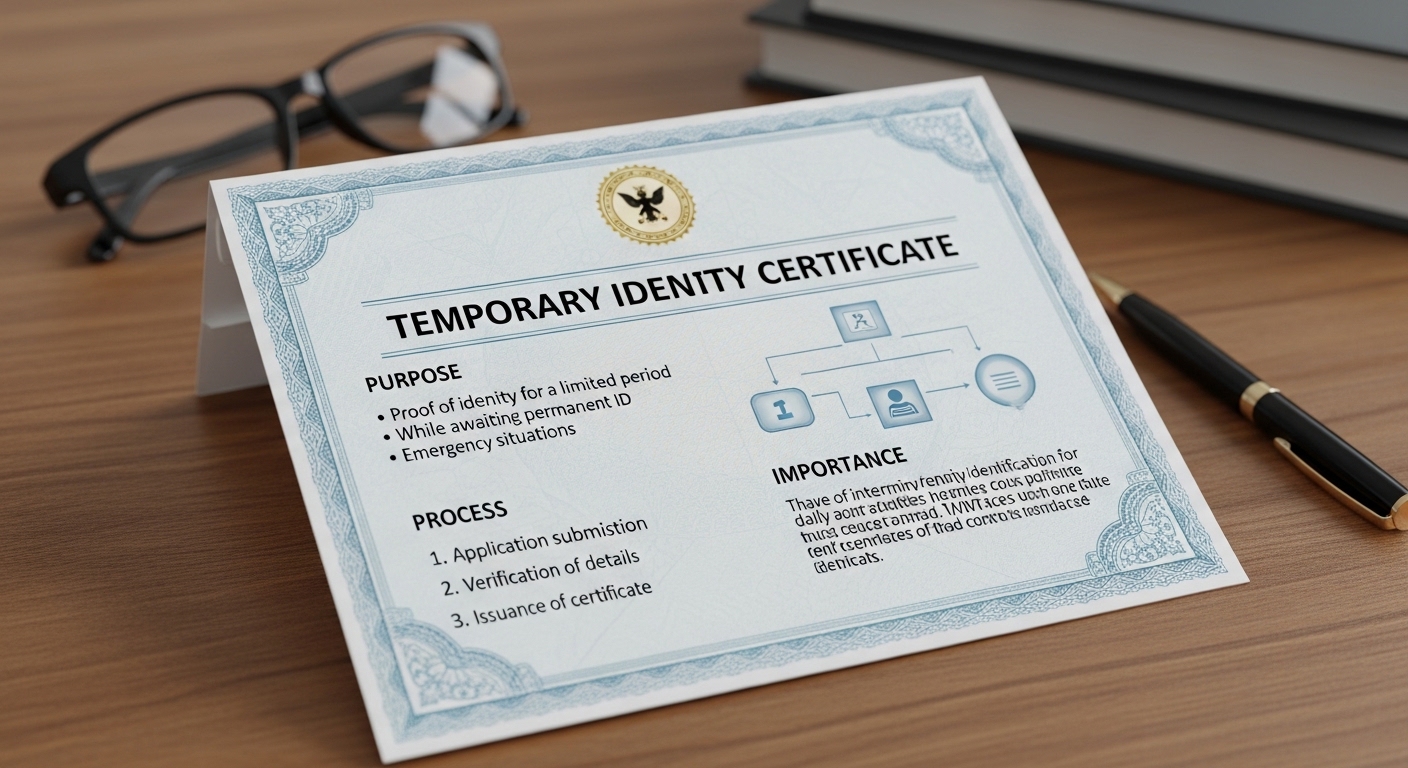
A temporary identity certificate is an official document issued to individuals who need immediate proof of identity but have not yet received their permanent identification card or certificate. This certificate is often used in situations where a person has applied for documents such as passports, voter ID cards, or national identity cards, and requires a valid ID for verification purposes. It serves as a legally recognized interim proof of identity, allowing individuals to access services, complete official procedures, and fulfill legal requirements without delay. Understanding the role, application process, and benefits of a temporary identity certificate is essential for anyone navigating administrative or legal systems.
What Is a Temporary Identity Certificate
A temporary identity certificate is a provisional document that confirms an individual’s identity until a permanent ID is issued. It typically includes essential personal information such as name, date of birth, address, and a unique reference number. Unlike permanent identity cards, these certificates are valid for a limited period and are intended for immediate use. They are officially recognized by government authorities and can be used to access public services, educational institutions, banking facilities, or travel-related requirements. By providing legally accepted proof of identity, temporary identity certificates bridge the gap between application and receipt of permanent documentation, ensuring that individuals are not disadvantaged during the waiting period.
Situations Where Temporary Identity Certificates Are Required
Temporary identity certificates are often required in scenarios where immediate proof of identity is essential. These include enrolling in educational institutions, opening bank accounts, applying for government schemes, or traveling domestically in certain regions. They are particularly useful for individuals who have lost their previous identification documents or are in the process of obtaining their first official ID. In some legal or administrative procedures, authorities may insist on a temporary certificate to confirm identity before granting access to services or completing applications. This interim document helps prevent delays and ensures that individuals can continue their personal, professional, or educational activities without unnecessary interruption.
How to Apply for a Temporary Identity Certificate
Applying for a temporary identity certificate generally involves submitting a request to the relevant issuing authority along with supporting documents. Applicants may need to provide proof of residence, birth certificate, or other identification documents depending on the region and purpose of the certificate. Many authorities now offer online application facilities where individuals can fill forms, upload documents, and pay nominal fees digitally. After submission, the application is verified by officials, and the certificate is issued either digitally or in printed form. Timely application ensures that the certificate is available when needed, allowing individuals to meet deadlines for official or legal procedures without facing delays due to missing identification.
Validity and Limitations of Temporary Identity Certificates
Temporary identity certificates are valid only for a limited period, which varies depending on the issuing authority and type of permanent ID being applied for. They are intended solely as a provisional document and may not carry all privileges or legal recognition that permanent identification offers. Some services or institutions may accept them only as interim proof, requiring the permanent ID once issued. Additionally, these certificates usually cannot be renewed repeatedly and are strictly tied to the individual’s pending application. Understanding the limitations ensures proper usage and avoids potential issues in situations where permanent identification is mandatory.
Benefits of Holding a Temporary Identity Certificate
Holding a temporary identity certificate provides several practical benefits. It allows individuals to access essential services, complete official applications, and participate in activities requiring proof of identity without delay. For students, it may be necessary for school or college enrollment, while for adults, it facilitates banking, employment verification, and travel arrangements. The certificate also reduces the risk of being denied services due to lack of identification and ensures continuity in legal and administrative processes. Overall, it acts as a bridge between application submission and receipt of permanent ID, offering security, convenience, and immediate recognition for official purposes.
Conclusion
A temporary identity certificate is a crucial interim document that helps individuals maintain access to essential services and official procedures while waiting for permanent identification. Its role in verifying identity, preventing administrative delays, and providing legal recognition makes it an indispensable tool in modern bureaucratic processes. By understanding how to apply for, use, and manage a temporary identity certificate, individuals can navigate administrative systems efficiently and avoid complications during the transition to permanent identification.