
 By admin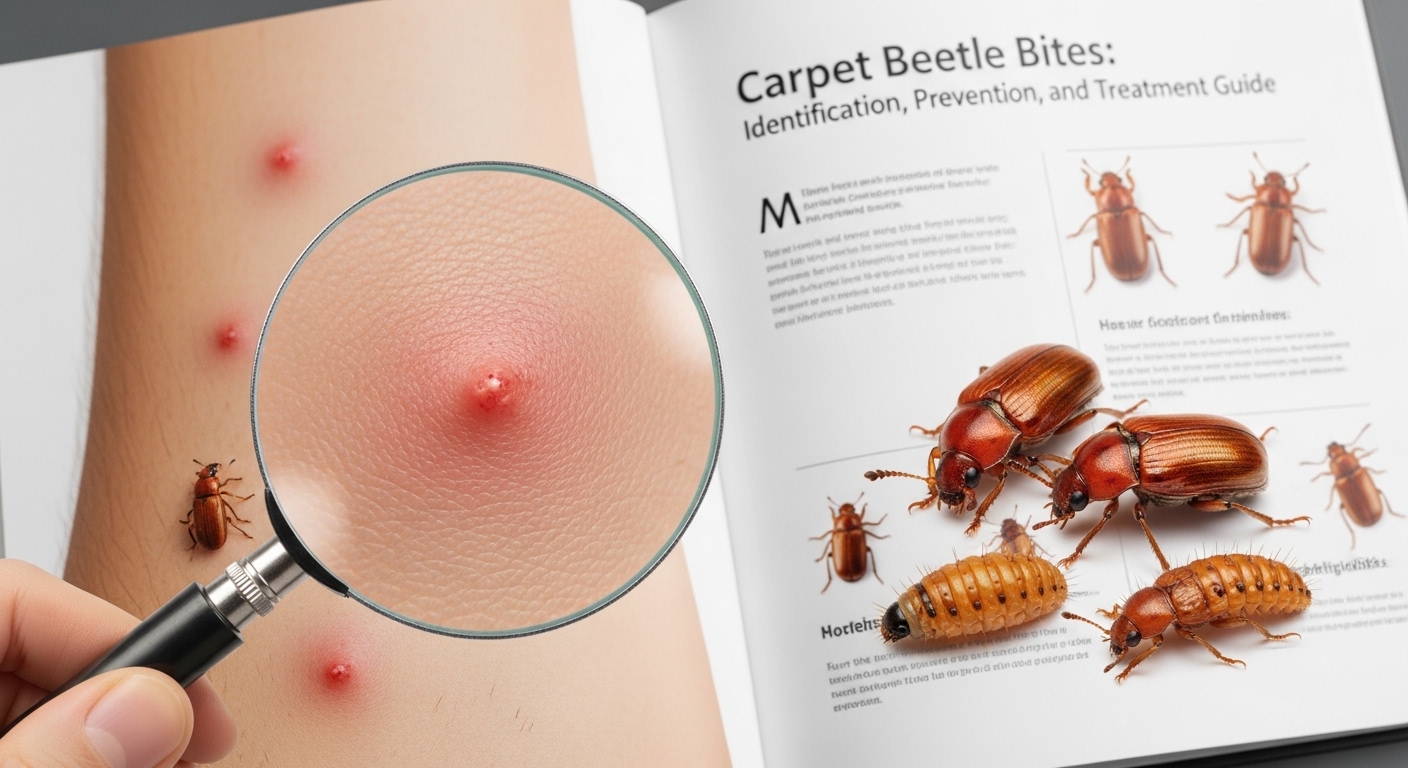
Carpet beetles are small insects commonly found in homes, often unnoticed until damage occurs or skin irritation develops. While these pests primarily feed on natural fibers like wool, silk, and feathers, some people experience carpet beetle bites, which can cause redness, itching, and discomfort. Understanding how these bites occur, their symptoms, and effective prevention methods is essential for maintaining a safe and healthy home environment. This article explores carpet beetle bites in detail, highlighting identification tips, treatment strategies, and ways to reduce infestations, ensuring homeowners can protect both their health and belongings.
Understanding Carpet Beetle Bites
Carpet beetle bites are often caused by exposure to larvae rather than adult beetles. The larvae possess tiny hairs that can irritate the skin, and in some cases, they may puncture the surface to feed on keratin-rich materials. Bites usually appear as small, red, itchy bumps, often clustered on exposed areas of the body such as arms, legs, and neck. Unlike mosquito bites, carpet beetle bites may persist longer and provoke allergic reactions in sensitive individuals. Recognizing the source of these bites is critical to preventing further exposure and addressing the underlying infestation effectively.
Common Symptoms and Reactions
Symptoms of carpet beetle bites vary depending on individual sensitivity. Redness, swelling, and intense itching are common, and scratching can lead to secondary infections. In some cases, small blisters may form, particularly in people with stronger allergic responses. Symptoms often appear in patterns, reflecting areas of contact with infested fabrics, carpets, or clothing. Unlike bedbug bites, which tend to form linear arrangements, carpet beetle reactions are more scattered. Understanding these symptoms helps distinguish them from other insect bites and guides proper treatment and pest management strategies to reduce ongoing irritation.
Identifying Carpet Beetle Infestations
Detecting carpet beetle infestations early is key to preventing further bites. Look for larvae, small oval-shaped adult beetles, and shed skins in carpets, clothing, upholstered furniture, and storage areas. Infested fabrics may show irregular holes or thinning, particularly in natural fibers. Larvae often hide in dark, undisturbed spaces, making them difficult to spot initially. Regular inspections of closets, drawers, and carpets help identify early signs. By recognizing the presence of carpet beetles, homeowners can take proactive measures to eliminate the pests and reduce the risk of additional bites and damage to household materials.
Areas of the Home at Risk
Certain areas of the home are more prone to carpet beetle activity. Carpets, rugs, and upholstered furniture containing natural fibers are prime locations for larvae to feed and grow. Clothing, stored blankets, and woolen fabrics in closets are also vulnerable. Attics, basements, and storage boxes with organic materials can harbor infestations. Understanding these risk zones allows for focused cleaning and inspection routines. Regular vacuuming, proper storage, and monitoring these areas help minimize exposure. Addressing high-risk zones is essential for preventing carpet beetle bites and maintaining a healthier living environment.
Treatment Options for Carpet Beetle Bites
Treating carpet beetle bites focuses on relieving symptoms and preventing infection. Over-the-counter anti-itch creams, hydrocortisone ointments, and antihistamines can reduce itching and inflammation. Cold compresses may help soothe irritated skin, while careful cleaning prevents bacteria from entering bite areas. Avoid scratching to prevent secondary infections and promote healing. If symptoms worsen or allergic reactions occur, consult a healthcare professional for proper evaluation. Effective bite treatment should be accompanied by steps to eliminate the infestation, ensuring the source of irritation is removed to prevent future occurrences.
Preventing Future Carpet Beetle Exposure
Prevention is the most effective strategy to avoid carpet beetle bites. Regular vacuuming of carpets, rugs, and upholstered furniture removes larvae and eggs before they develop. Storing clothing and fabrics in sealed containers reduces contact with larvae. Inspecting secondhand items and maintaining clean, dry environments further minimizes risk. Integrated pest management strategies, including professional treatments for severe infestations, help ensure long-term protection. By combining proactive cleaning, proper storage, and vigilant monitoring, homeowners can significantly reduce the likelihood of carpet beetle bites and maintain a safer, more comfortable living space.
The Role of Professional Pest Control
In cases of extensive infestations, professional pest control services may be necessary. Experts can identify affected areas, apply targeted treatments, and provide guidance on preventing re-infestation. They have access to specialized insecticides and techniques that are more effective than standard home remedies. Professional intervention ensures that both adult beetles and larvae are eliminated, addressing the source of bites and potential fabric damage. Engaging pest control specialists not only resolves ongoing issues but also reduces the risk of future carpet beetle activity, offering peace of mind for homeowners dealing with persistent infestations.
Monitoring and Long-Term Home Maintenance
Long-term prevention of carpet beetle bites requires consistent monitoring and maintenance. Regular inspections of carpets, clothing, and storage areas help detect early signs of larvae or adult beetles. Rotating stored fabrics, washing woolen items, and keeping living spaces dry and clean create unfavorable conditions for infestations. Maintaining these habits minimizes contact with carpet beetles, reducing the likelihood of bites and fabric damage. By combining vigilant monitoring with proper cleaning routines, homeowners can sustain a pest-free environment and protect both their skin and household belongings from the impact of carpet beetles.
Understanding Allergic Reactions
Some individuals may develop heightened allergic reactions to carpet beetle bites, including intense itching, swelling, or rashes. In rare cases, hives or respiratory symptoms can occur due to sensitivity to larval hairs. Identifying allergic reactions promptly is important for appropriate treatment and reducing complications. Consulting a healthcare provider can provide guidance on managing severe reactions and recommend suitable medications. Understanding personal susceptibility helps homeowners take additional precautions, ensuring both effective pest management and appropriate medical care to protect overall health in environments where carpet beetles are present.
Conclusion
Carpet beetle bites are an uncomfortable yet manageable issue that requires awareness, preventive measures, and proper treatment. Recognizing symptoms, identifying infestations, and maintaining clean, well-monitored home environments are key to reducing exposure. Effective bite management, combined with targeted pest control strategies, ensures both personal comfort and protection of household materials. By understanding carpet beetle behavior and implementing comprehensive prevention techniques, homeowners can minimize the risk of bites and maintain a safe, healthy living space.