
 By admin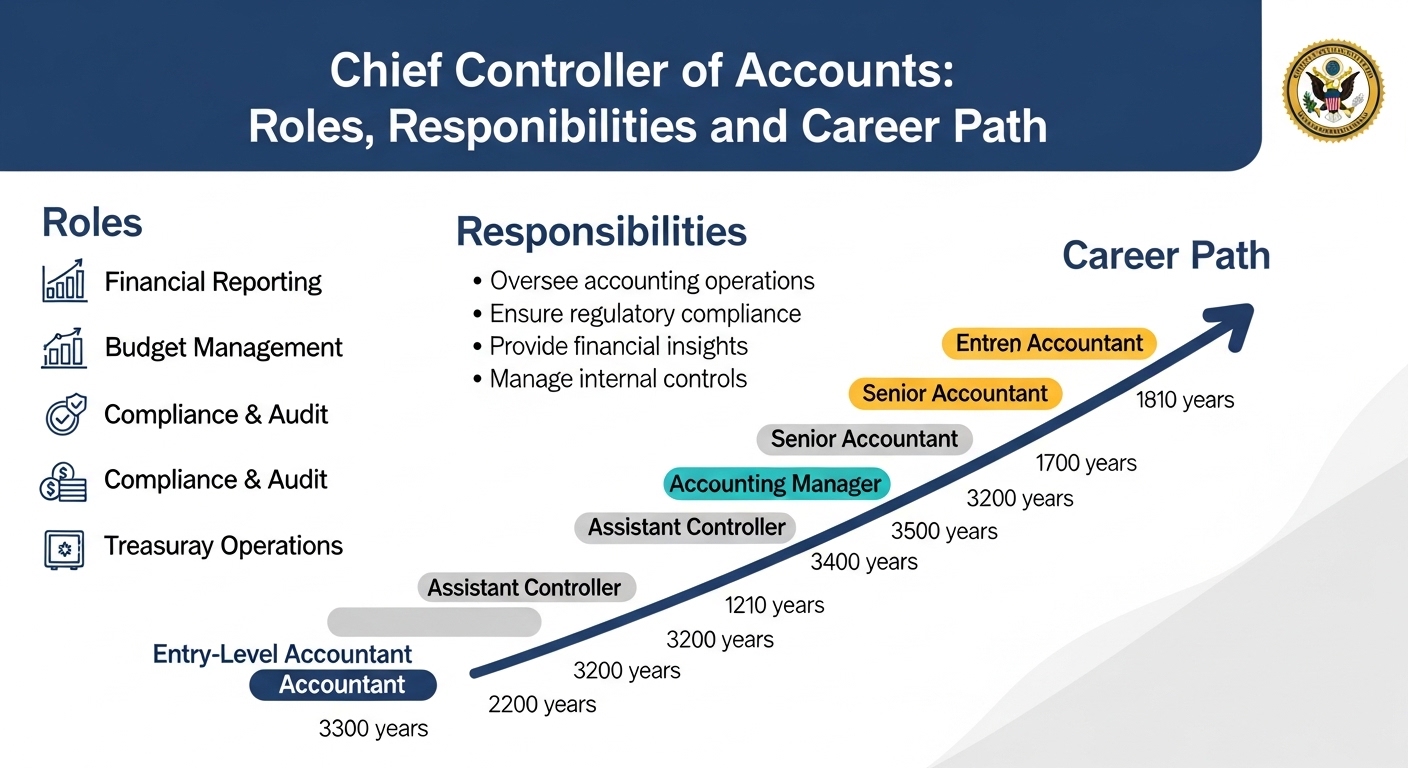
The role of the chief controller of accounts is a pivotal position in finance and administration, ensuring that organizational funds are managed efficiently and transparently. Tasked with overseeing accounting operations, budgeting, and compliance, this role combines technical expertise with leadership skills. Organizations across both public and private sectors rely on chief controllers of accounts to maintain financial integrity, streamline reporting processes, and guide strategic decision-making. Understanding the responsibilities, qualifications, and impact of this role offers valuable insights for aspiring finance professionals and organizations seeking effective financial governance.
Definition of Chief Controller of Accounts
A chief controller of accounts is a senior financial officer responsible for supervising an organization’s accounting activities and ensuring accurate financial reporting. This position involves managing accounting teams, overseeing ledger maintenance, and implementing accounting policies in line with regulatory requirements. The chief controller of accounts ensures that all financial transactions are recorded accurately and on time, providing management with reliable data for decision-making. The role may also include auditing responsibilities, risk assessment, and reporting to higher authorities or boards. Essentially, the chief controller of accounts serves as the backbone of an organization’s financial integrity, ensuring compliance and efficiency across accounting operations.
Key Responsibilities
The chief controller of accounts is responsible for a wide range of financial and managerial tasks. These include preparing financial statements, monitoring budgets, reconciling accounts, and ensuring compliance with statutory and organizational regulations. They supervise accounting staff, delegate responsibilities, and review work for accuracy and completeness. Additionally, the chief controller of accounts coordinates audits, manages internal controls, and advises senior management on financial planning and risk management. Their role extends to implementing accounting software and streamlining processes to improve efficiency. By balancing operational oversight with strategic insight, the chief controller of accounts ensures that the organization maintains strong financial health.
Required Skills and Competencies
Success as a chief controller of accounts requires a combination of technical expertise, analytical ability, and leadership skills. Strong knowledge of accounting principles, financial regulations, and auditing practices is essential. Competencies in budgeting, forecasting, and financial analysis help guide organizational decisions. Leadership and communication skills are crucial for managing teams, reporting to executives, and liaising with auditors. Additionally, proficiency with accounting software and digital financial tools enhances operational efficiency. Attention to detail, ethical judgment, and problem-solving abilities are equally important, allowing the chief controller of accounts to maintain accuracy, compliance, and organizational trust in all financial matters.
Educational Requirements
Typically, a chief controller of accounts holds a degree in accounting, finance, or a related field. Advanced certifications such as Chartered Accountant (CA), Certified Public Accountant (CPA), or Chartered Management Accountant (CMA) are highly valued and can enhance career prospects. Formal education provides a foundation in financial principles, auditing standards, and taxation laws. Many organizations also prefer candidates with postgraduate degrees in finance or business administration, as these programs develop strategic thinking and management capabilities. Continuous professional development, through workshops and industry updates, ensures that the chief controller of accounts remains current with evolving accounting standards and regulatory requirements.
Role in Budgeting and Financial Planning
The chief controller of accounts plays a critical role in an organization’s budgeting and financial planning. By analyzing past financial data and projecting future needs, they help develop realistic budgets aligned with organizational goals. They monitor budget execution, identify variances, and recommend corrective actions. This role requires collaboration with department heads to allocate resources effectively while maintaining financial discipline. Their insights guide senior management in making informed decisions regarding investments, cost control, and financial strategy. In this capacity, the chief controller of accounts acts as both a guardian of financial resources and a strategic advisor supporting long-term organizational success.
Compliance and Regulatory Responsibilities
Compliance is a core function of the chief controller of accounts, ensuring adherence to accounting standards, tax laws, and corporate governance regulations. They oversee audits, internal controls, and reporting mechanisms to prevent errors or fraud. Staying updated with changing financial regulations and statutory requirements is essential to mitigate legal and financial risks. The chief controller of account also prepares accurate reports for regulatory authorities, stakeholders, and internal management. By maintaining strict compliance, they protect the organization from penalties, enhance transparency, and promote accountability. This focus on regulatory adherence reinforces the credibility and integrity of financial operations within the organization.
Career Path and Advancement
A career as a chief controller accounts typically begins with entry-level accounting or finance roles, progressing through positions such as senior accountant, accounting manager, or finance controller. Experience in financial reporting, budgeting, and auditing is crucial for advancement. Many professionals enhance their career prospects through certifications like CA or CPA and leadership development programs. The role can lead to higher executive positions, including chief financial officer (CFO) or finance director. Career growth depends on technical expertise, management capabilities, and strategic vision. Organizations value chief controllers of accounts who can provide financial leadership and support long-term business objectives.
Challenges and Opportunities
The chief controller of account faces challenges such as regulatory changes, complex financial transactions, and maintaining accuracy under tight deadlines. Balancing operational responsibilities with strategic planning can be demanding, requiring prioritization and decision-making skills. Additionally, leading diverse teams and ensuring compliance in large organizations presents ongoing challenges. However, these challenges also create opportunities for professional growth, innovation in accounting processes, and contribution to organizational success. By implementing efficient systems, mentoring staff, and adapting to evolving financial landscapes, the chief controller accounts can drive efficiency, enhance financial performance, and position the organization for sustainable growth.
Importance in Organizational Structure
The chief controller account is integral to an organization’s financial structure and decision-making processes. Acting as the bridge between accounting operations and senior management, they ensure that financial data is accurate, timely, and relevant. Their oversight enables effective budgeting, compliance, and resource allocation, supporting both daily operations and strategic initiatives. The position also fosters accountability and transparency, reinforcing stakeholder confidence. By maintaining rigorous financial standards and providing actionable insights, the chief controller accounts contributes to operational efficiency, risk management, and overall organizational stability. This makes the role essential for achieving both short-term goals and long-term success.
Conclusion
The chief controller of accounts is a vital figure in modern organizations, combining technical accounting expertise with leadership and strategic insight. From managing budgets and supervising accounting teams to ensuring compliance and guiding financial planning, this role ensures organizational integrity and efficiency. A career in this field requires education, certification, and continuous professional development, as well as strong analytical and managerial skills. By understanding the responsibilities, challenges, and impact of the chief controller account, businesses and aspiring professionals can appreciate the significance of this position in maintaining financial health and supporting sustainable growth.