
 By admin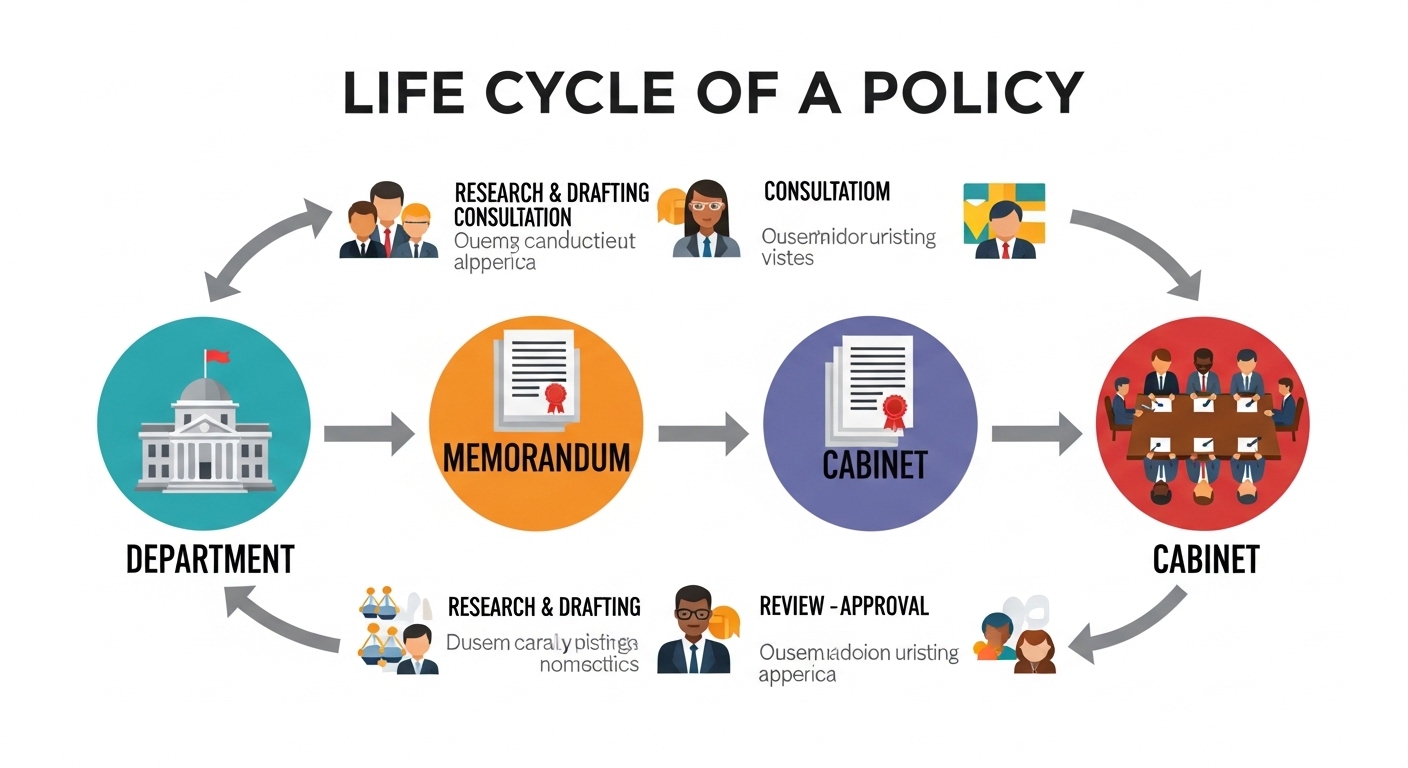
A memorandum to cabinet is a vital tool in government decision-making, serving as a formal communication that informs ministers and senior officials about proposed policies, legislative changes, or strategic initiatives. It provides a structured overview of issues, options, and recommendations, allowing cabinet members to make informed decisions efficiently. Understanding the format, purpose, and process of a memorandum to cabinet is essential for policymakers, public servants, and anyone involved in governance. The key aspects of a memorandum to cabinet, highlighting its role in promoting transparency, accountability, and effective decision-making within government structures.
Definition and Purpose of a Memorandum to Cabinet
A memorandum to cabinet is an official document submitted to the cabinet to facilitate discussion and decision-making on specific policy or administrative matters. Its primary purpose is to present proposals, outline potential impacts, and provide recommendations in a clear and concise manner. This ensures that cabinet members have the necessary information to deliberate effectively. The memorandum often includes background context, financial implications, legal considerations, and implementation strategies. By providing structured information, a memorandum to cabinet helps streamline governance processes, reduces ambiguity, and enhances coordination between ministries, ultimately supporting informed and transparent policy decisions.
Key Components of a Memorandum to Cabinet
A well-prepared memorandum to cabinet typically contains several key components, each serving a distinct function. These include the purpose of the memorandum, background information on the issue, a summary of options, recommended actions, financial implications, legal considerations, and potential risks or challenges. Additionally, it may include a proposed timeline for implementation and references to supporting documents. Each section is designed to provide cabinet members with a comprehensive understanding of the matter, enabling informed discussion and decision-making. Thorough attention to these components ensures that the memorandum communicates information effectively and supports the government’s policy objectives.
Process of Preparing a Memorandum to Cabinet
The preparation of a memorandum to cabinet involves careful research, consultation, and drafting by relevant government departments or agencies. Officials identify the issue, gather data, and consult stakeholders to ensure accuracy and relevance. The draft is then reviewed internally to assess feasibility, legal compliance, and alignment with existing policies. Once finalized, the memorandum is formally. Submitted to the cabinet office. Or secretariat for distribution to ministers. This structured process ensures that the information presented is credible, comprehensive, and ready for deliberation, allowing cabinet members to make well-informed decisions on complex policy matters.
Importance in Policy Formulation
A memorandum to cabinet plays a critical role in the formulation of government policies by providing a structured mechanism for evaluating options and assessing potential impacts. It allows ministers to consider evidence-based recommendations and weigh the advantages and disadvantages of different approaches. By highlighting financial, legal, and social implications. The memorandum ensures that decisions are grounded in practical realities. This structured evaluation process promotes accountability and reduces the risk of hasty or poorly informed choices. Ultimately, the memorandum to cabinet serves as a bridge between technical analysis and high-level policymaking, ensuring that government actions are effective and sustainable.
Role in Decision-Making
In cabinet decision-making, a memorandum serves as the primary reference document, guiding discussions and clarifying key issues. It enables ministers to focus on critical aspects, compare options, and understand the implications of each choice. By presenting clear recommendations, the memorandum supports efficient deliberation and consensus-building. It also provides a record of the rationale behind decisions, contributing to transparency and accountability in governance. The clarity and comprehensiveness of a memorandum to cabinet are therefore essential for informed decision-making. Ensuring that policy choices are well-supported and aligned. With national priorities and legal frameworks.
Legal and Financial Considerations
Legal and financial aspects are essential elements of a memorandum to cabinet, as they influence feasibility and risk assessment. Legal considerations ensure that proposed actions comply with existing laws, regulations, and constitutional requirements. Financial implications outline the costs, funding sources, and potential budgetary impacts of proposed policies or projects. By addressing these elements, the memorandum provides a realistic picture of the feasibility and sustainability of proposed actions. Cabinet members rely on this information to evaluate whether recommendations are practical, lawful, and financially responsible, reducing the likelihood of unintended consequences and ensuring efficient use of public resources.
Stakeholder Consultation and Feedback
Consultation with stakeholders is an important part of preparing a memorandum to cabinet. As it ensures that diverse perspectives. Are considered and potential issues are identified early. Relevant government departments, regulatory bodies, industry representatives, and civil society groups may provide input to enhance the quality of recommendations. Feedback from stakeholders helps refine proposals, identify risks, and strengthen implementation strategies. Including consultation outcomes in the memorandum demonstrates transparency and responsiveness, enhancing the credibility of the document. Effective stakeholder engagement contributes to better-informed decisions, smoother policy implementation, and stronger public trust in government processes.
Implementation and Monitoring
A memorandum to cabinet often includes guidance on implementation and monitoring to ensure that approved policies or projects achieve intended outcomes. This section may outline responsible agencies, timelines, performance indicators, and reporting mechanisms. Clear implementation plans help minimize confusion, allocate resources efficiently, and enable accountability throughout the execution phase. Monitoring mechanisms also allow for adjustments if challenges arise, ensuring that policies remain effective and aligned with original objectives. By integrating implementation and monitoring into the memorandum, governments can bridge the gap between decision-making and practical results, enhancing the overall effectiveness of public administration.
Best Practices for Effective Memoranda
Effective memoranda to cabinet are concise, structured, and evidence-based. They should clearly define the issue, provide options with pros and cons, and recommend actionable steps. Incorporating accurate data, legal analysis, and financial estimates enhances credibility and supports informed decision-making. Clear language, logical flow, and adherence to standard formatting help cabinet members quickly grasp key points. Regular consultation with stakeholders and interdepartmental collaboration further strengthen the memorandum. By following these best practices, government officials ensure that the document effectively communicates critical information, facilitates high-quality decisions, and supports efficient governance processes.
Conclusion
A memorandum to cabinet is a cornerstone of effective governance, providing structured information, analysis, and recommendations to support high-level decision-making. Its preparation requires research, consultation, and careful consideration of legal, financial, and practical implications. By facilitating informed discussion, promoting accountability, and guiding policy implementation. A memorandum to cabinet strengthens government operations and. Ensures that decisions are evidence-based and sustainable. Understanding its purpose, components, and best practices is essential. For anyone involved in public administration. Highlighting the critical role of this document in modern governance.