
 By admin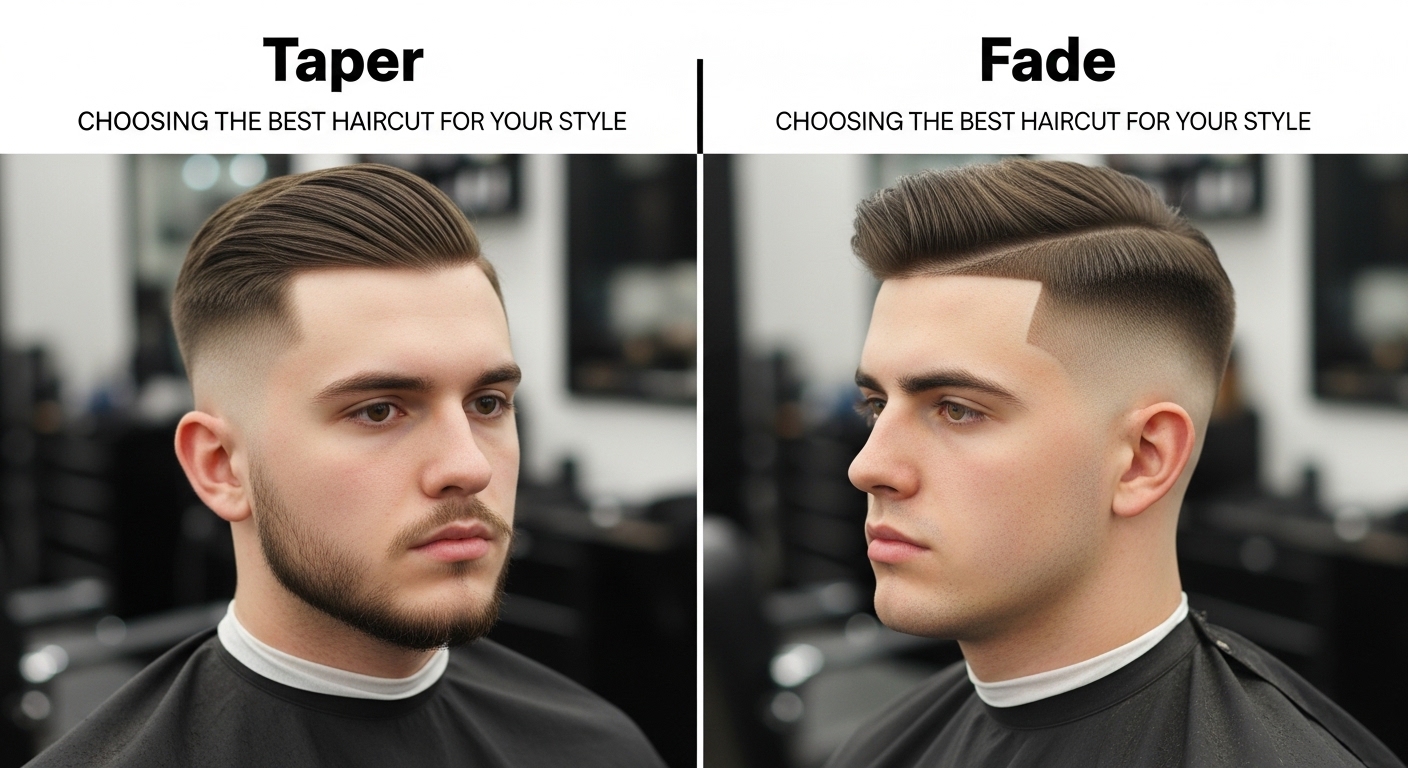
When it comes to men’s grooming, the difference between a taper vs fade can completely change your look. Both styles offer a clean, modern appearance, but they have distinct characteristics that suit different face shapes, hair types, and personal preferences. A taper and a fade may look similar at first glance, yet the way the hair transitions from longer to shorter is what sets them apart. Understanding these differences can help you communicate better with your barber and choose a style that fits your lifestyle. Whether you prefer a subtle, classic cut or a bold, high-contrast look, knowing the key features of taper vs fade is the first step toward a confident haircut decision.
What Is a Taper Haircut?
A taper haircut is a classic style where the hair gradually shortens as it moves down the sides and back of the head. The transition is smooth and subtle, creating a clean outline without dramatic contrast. Tapers usually maintain more length on top, allowing for styling options such as comb-overs, pompadours, or textured looks. The key feature of a taper is that the hair length changes gradually, with the shortest part near the neckline and ears. This makes the cut versatile and suitable for professional environments, as it looks neat without being overly bold. A taper can be customized with different lengths and shapes, making it a popular choice for those seeking a timeless, low-maintenance haircut.
What Is a Fade Haircut?
A fade haircut is a modern, high-contrast style where the hair transitions from longer on top to very short or nearly shaved at the sides and back. The fade creates a noticeable gradient, often starting high on the head and blending down to the skin. There are several fade variations, including low fade, mid fade, and high fade, depending on where the shortest point begins. The defining feature of a fade is the sharp contrast between the longer top and the closely trimmed sides. This style is popular for its bold, clean appearance and ability to highlight facial features. Fades also work well with different top styles, from short crops to longer, textured hair, making them a versatile option for those who want a contemporary, striking look.
Taper vs Fade: Key Differences in Appearance
The main difference between taper vs fade lies in the degree of contrast and how the hair is blended. A taper offers a gradual transition that keeps the look subtle and natural. The hair usually remains longer around the neckline and ears, giving a softer finish. In contrast, a fade creates a more dramatic change, often blending down to the skin for a sharper outline. The fade’s gradient can be adjusted to create a bold or moderate look, depending on the desired effect. While both styles are blended, the fade tends to be more noticeable and edgy, while the taper is more understated and classic. Understanding this distinction helps you choose the style that matches your personality and daily routine.
Face Shapes and Hair Types That Suit a Taper
A taper is well-suited for a wide range of face shapes because of its balanced, natural look. For individuals with round or oval faces, a taper can provide structure without adding too much height or contrast. It also works well for square and rectangular faces, offering a neat outline that complements strong jawlines. Tapers are particularly effective for people with thicker hair, as the gradual blend helps manage volume while maintaining a clean shape. This style is also ideal for professional settings, as it looks polished without drawing too much attention. Because a taper is less extreme than a fade, it can be a great choice for those who want a stylish haircut without committing to a bold change.
Face Shapes and Hair Types That Suit a Fade
A fade is often recommended for people who want a modern, attention-grabbing haircut. It works well for those with round or fuller faces, as the sharp contrast can add height and definition. High fades can elongate the face, creating a more angular appearance. Fades also suit thick and curly hair, as the short sides help reduce bulk and emphasize texture on top. For individuals with thinner hair, a fade can create the illusion of density by drawing focus to the styled top. This style is popular among younger men and those who prefer a more contemporary look. However, because fades require precise blending and frequent upkeep, they may not be the best choice for someone seeking a low-maintenance cut.
Maintenance and Styling Differences
When comparing taper vs fade, maintenance is a key consideration. Tapers typically require less frequent trips to the barber, as the gradual blend grows out more naturally. This makes tapers a good option for those who prefer a low-maintenance routine. Styling a taper can be simple, with options like combing, brushing, or using light styling products for a clean finish. Fades, on the other hand, need more frequent touch-ups to keep the sharp contrast and clean lines. Depending on the fade style, you may need to visit the barber every few weeks to maintain the look. Styling a fade often involves more intentional grooming, as the short sides highlight the top hairstyle. Choosing between taper vs fade depends on how much time you want to spend on upkeep and styling.
How to Ask for the Right Cut at the Barber
To get the haircut you want, clear communication is essential when discussing taper vs fade with your barber. Start by describing the level of contrast you prefer, such as a subtle taper or a high fade. Mention where you want the shortest point to begin, whether low, mid, or high. You can also reference the length you want on top and whether you prefer a clean neckline or a natural finish. Bringing a photo can help ensure the barber understands your vision. It is also helpful to discuss your hair type and daily routine, as this can influence the best approach for blending and styling. By clearly explaining your preferences, you can achieve a haircut that matches your style and fits your lifestyle.
Choosing Between Taper vs Fade Based on Lifestyle
Your lifestyle plays a major role in deciding between taper vs fade. If you have a busy schedule or prefer a haircut that grows out smoothly, a taper may be the better option. It offers a classic look that requires minimal upkeep and suits professional settings. If you enjoy a bold, modern appearance and don’t mind regular barber visits, a fade can be a great choice. Fades are ideal for those who like to experiment with different top styles and want a more striking look. Consider how often you can maintain the cut and whether you want a subtle or dramatic change. Ultimately, the best choice is the one that aligns with your personal style, hair type, and daily routine.
Conclusion
Taper vs fade both offer stylish and modern options for men’s haircuts, but they differ in contrast, maintenance, and overall appearance. A taper provides a classic, subtle blend that suits a wide range of face shapes and lifestyles, while a fade delivers a bold, high-contrast look that emphasizes the top hairstyle. By understanding these differences and considering your hair type and routine, you can choose the style that best fits your personality and needs. Whether you opt for a taper or a fade, the right haircut can boost confidence and enhance your overall look.