
 By admin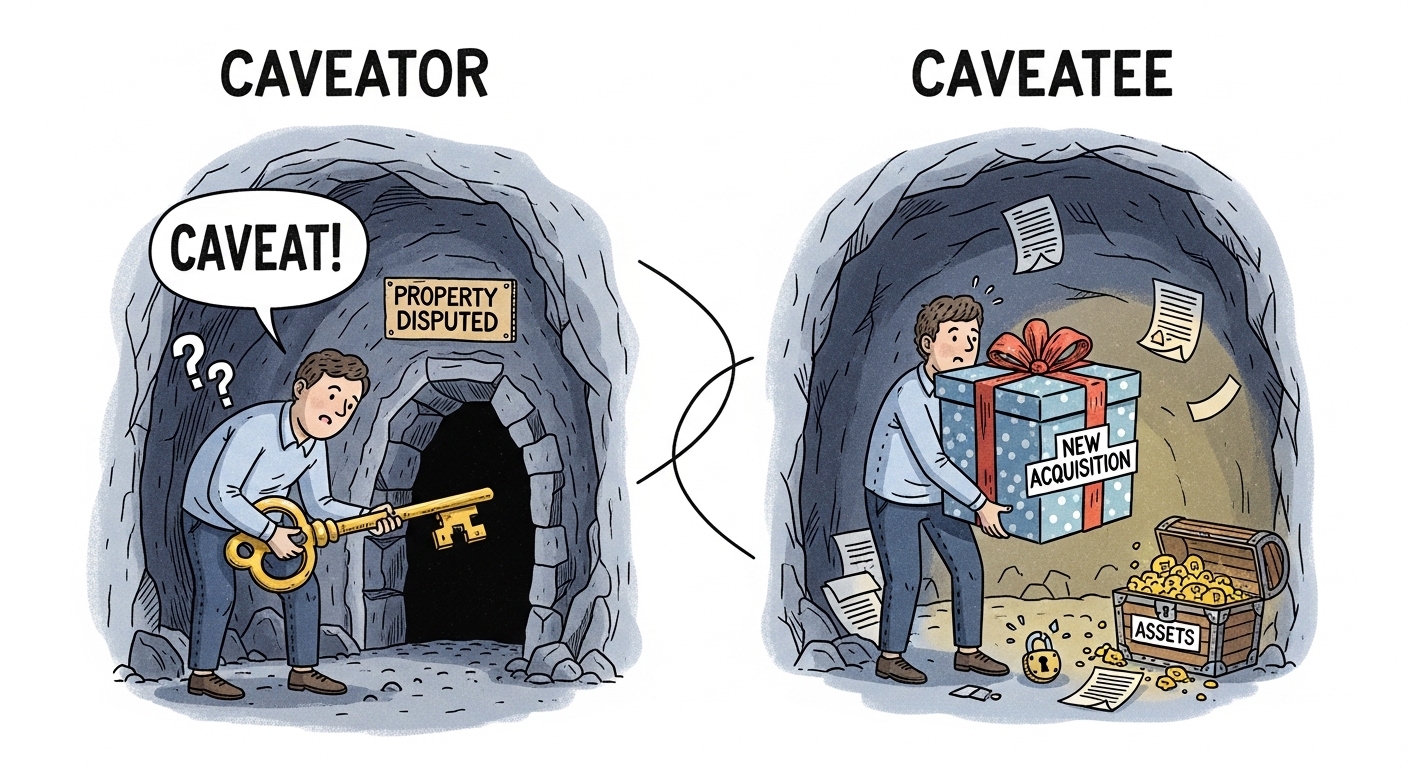
In legal discussions, certain Latin terms are frequently used to describe parties involved in agreements, contracts, or disputes. Among these, caveator and caveatee are two terms that hold significant relevance, particularly in property and probate law. While these terms may seem complex at first, they are essential for understanding how legal protections, notifications, and challenges operate in formal proceedings. Grasping the meaning of caveator and caveatee is crucial for law students, legal practitioners, and anyone navigating processes where objections, claims, or interests in property are involved. The definitions, roles, and implications of caveator and caveatee, providing clarity on their practical applications in legal frameworks.
Defining Caveator
A caveator is an individual or entity who files a formal notice, called a caveat, to alert a court or relevant authority that they have an interest in a matter and wish to prevent certain actions without their knowledge. Typically, caveators act to protect rights related to property, estates, or legal proceedings where there may be a risk of unfavorable decisions being made without their input. By lodging a caveat, a caveator ensures that no action, such as transferring property or granting probate, is taken without notifying them first. The role of a caveator is primarily defensive, focusing on safeguarding legal interests and providing the opportunity to raise objections or claims. Understanding this role is key to navigating processes that involve contested legal rights.
Defining Caveatee
A caveatee, on the other hand, is the person or entity against whom a caveat has been lodged. Essentially, the caveatee is the individual seeking to perform an action that might affect the rights or interests of the caveator. For example, in a property or probate context, a caveatee may be attempting to register a property transfer, apply for probate, or enforce a legal decision that the caveator opposes. The caveatee is legally required to inform the caveator of intended actions and may need to respond to any objections raised. Recognizing the caveatee’s responsibilities helps clarify how notifications, challenges, and permissions operate within legal procedures where interests of multiple parties must be considered.
Legal Purpose of Caveator and Caveatee
The relationship between caveator and caveatee exists to ensure fairness and transparency in legal proceedings. By allowing caveators to file caveats, the law provides a mechanism to prevent unilateral actions that could affect property, inheritance, or contractual rights. Caveatees, in turn, must respect these notifications and allow caveators the opportunity to present objections or negotiate resolutions. This framework ensures that all parties with a legitimate interest are heard before decisions are finalized. The legal purpose is rooted in protecting rights, reducing disputes, and preventing inadvertent violations of property or contractual entitlements. Understanding these roles highlights how caveator and caveatee contribute to procedural fairness and legal accountability.
Practical Applications in Property Law
In property law, caveator and caveatee play an essential role in disputes over ownership, title transfers, and registration of property. A caveator may lodge a caveat to stop a transfer if there is a claim of pending sale, unpaid debts, or contested ownership. The caveatee, usually a purchaser, seller, or registrar, must acknowledge the caveat and may need to resolve the objection before proceeding. This process protects parties from losing property rights without adequate notice. It also ensures that all claims or disputes are addressed in a legal framework. Understanding these practical applications helps individuals, legal professionals, and institutions navigate property transactions with clarity and minimize the risk of conflict.
Probate and Estate Implications
Caveator and caveatee also have significant implications in probate and estate administration. When a person passes away, the caveator may file a caveat to prevent probate from being granted to the caveatee until certain matters are resolved, such as disputes over the validity of a will or the rights of beneficiaries. This ensures that the caveator’s interests are not overlooked and that proper legal scrutiny is applied before estate distribution. For caveatees, this requires notifying the caveator and addressing any objections in court. Recognizing these roles is vital for those involved in inheritance disputes, as it guarantees legal protections and maintains the integrity of estate administration.
Resolving Disputes Between Caveator and Caveatee
Disputes between caveator and caveatee are typically resolved through negotiation, mediation, or legal proceedings. Courts may assess the validity of the caveator’s objections and determine whether actions by the caveatee can proceed. In many cases, a formal hearing is conducted to ensure that both parties’ rights and interests are fully considered. Legal guidance is often necessary to navigate procedural requirements, deadlines, and evidence submission. Effective resolution ensures that disputes are addressed fairly and that the actions of caveatees do not infringe upon legitimate caveator claims. Understanding dispute resolution mechanisms is essential for maintaining legal compliance and protecting all involved parties’ interests.
Conclusion
Caveator and caveatee are critical legal roles that ensure fairness, notification, and protection of interests in property, probate, and other legal matters. The caveator safeguards rights by lodging caveats, while the caveatee must respond appropriately and respect those claims. Their interaction provides a structured framework for addressing disputes, preventing unilateral actions, and maintaining procedural integrity. Recognizing the responsibilities and implications of caveator and caveatee helps individuals and legal professionals navigate complex legal processes effectively and ensures that all parties’ rights are considered before final decisions are made.