
 By admin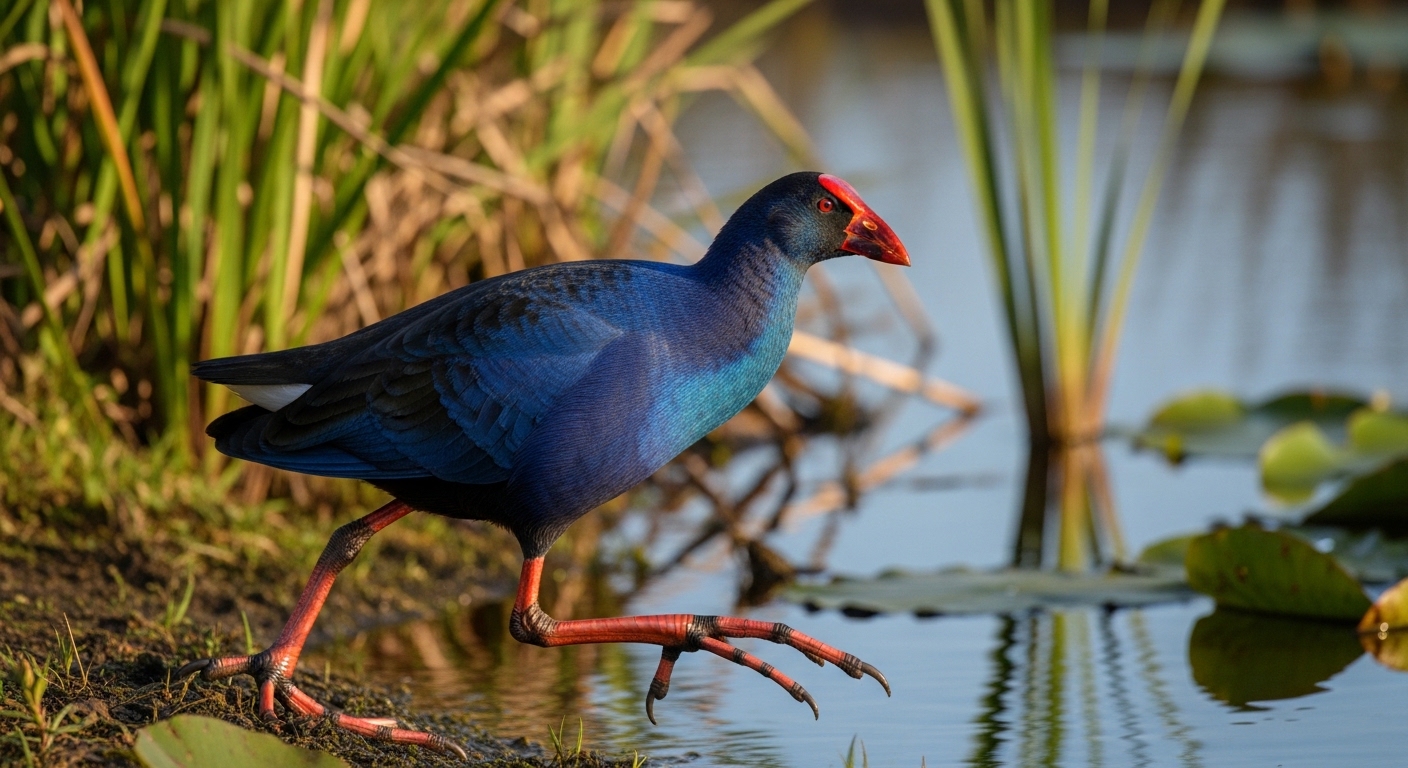
The pukeko bird is one of New Zealand’s most recognizable and fascinating native species. Known for its striking blue plumage, red beak, and long legs, the pukeko inhabits wetlands, grasslands, and shallow waterways across the country. Beyond its distinctive appearance, this bird is celebrated for its unique behaviors, adaptability, and cultural significance. Understanding the pukeko bird involves exploring its habitat, diet, reproduction, and interactions with humans and ecosystems. A detailed look at the pukeko, highlighting its ecological role, lifestyle, and reasons why it continues to captivate bird watchers, researchers, and nature enthusiasts alike.
Physical Characteristics of the Pukeko Bird
The pukeko bird is easily identified by its vivid blue feathers, striking red bill, and long, slender legs that allow it to navigate wetlands with ease. Adults typically measure around 45 centimeters in length, with a wingspan sufficient for short flights. Its black-tipped wings and dark underparts provide camouflage in marshy areas, while its bright coloration serves as a social signal to other birds. Juvenile pukekos exhibit duller, brownish plumage, gradually acquiring adult coloring as they mature. The bird’s sharp claws aid in foraging and climbing vegetation, making it well-adapted to its wetland environment. These physical traits combine function and beauty in a uniquely New Zealand bird.
Habitat and Distribution
Pukeko birds thrive in wetlands, swamps, and marshy grasslands throughout New Zealand, including both the North and South Islands. They prefer shallow waterways with abundant vegetation, which provide food and shelter from predators. Adaptable by nature, pukekos can also be found near lakes, rivers, farmland, and urban parks with suitable water sources. Seasonal migration is minimal, as they are largely sedentary, but local movements occur in response to food availability or habitat changes. Understanding their preferred habitats helps conservationists protect wetland ecosystems while providing insight into how pukekos have adapted to coexist with both natural and human-altered landscapes.
Diet and Feeding Behavior
The pukeko bird is an omnivore, feeding on a diverse diet that includes grasses, seeds, insects, small invertebrates, and aquatic plants. Its long legs and sharp claws allow it to probe soft soil and mud for hidden food sources, while its strong beak can cut through tough plant stems. Pukekos often forage in groups, using their social structure to locate and protect feeding areas. They are opportunistic eaters, adapting their diet based on seasonal availability, which helps them survive in fluctuating wetland conditions. Observing their feeding behavior highlights the pukeko’s role in maintaining ecological balance by controlling insect populations and dispersing plant seeds.
Reproduction and Nesting
Pukeko birds typically breed in spring and summer, building nests in dense vegetation near water. Nests are constructed from reeds, grasses, and other plant material, providing shelter for eggs and chicks. Females lay between three and six eggs per clutch, with both parents participating in incubation and chick-rearing. Pukeko chicks are precocial, leaving the nest shortly after hatching but remaining under parental protection for several weeks. Their communal nesting behavior can include interactions with extended family groups, enhancing survival rates. Understanding their reproductive habits emphasizes the pukeko’s adaptability and social structure, which are critical for maintaining stable populations in dynamic wetland environments.
Behavior and Social Structure
Pukeko birds are highly social and territorial, often forming small groups or flocks. Their interactions include vocal calls, physical displays, and occasional aggressive encounters to defend feeding grounds or nesting sites. Despite their territoriality, pukekos may tolerate others in overlapping areas if resources are abundant. They are capable of both walking and short flights, using their long legs to navigate reeds and shallow water efficiently. Observing their behavior provides insight into their communication methods, social hierarchy, and survival strategies. The combination of group dynamics and individual adaptability ensures that pukekos thrive in a variety of environmental conditions.
Predators and Threats
While pukekos are resilient birds, they face threats from introduced predators such as cats, stoats, and dogs, which can prey on eggs, chicks, or weakened adults. Habitat loss due to wetland drainage, urban development, and agriculture also poses significant challenges. Despite these pressures, pukeko populations remain relatively stable thanks to their adaptability and reproductive success. Conservation efforts, including wetland protection and predator management, are essential to ensuring their continued survival. Understanding these threats highlights the importance of maintaining healthy ecosystems and demonstrates how the pukeko serves as an indicator species for wetland health and biodiversity in New Zealand.
Cultural Significance
The pukeko bird holds cultural importance in New Zealand, particularly within Maori traditions. It is often featured in myths, folklore, and carvings, symbolizing resourcefulness, adaptability, and vigilance. Pukekos are also admired for their striking appearance and presence in local landscapes, inspiring art, literature, and tourism. Recognizing the cultural value of pukekos complements scientific understanding, fostering a holistic appreciation for the species. By incorporating both ecological and cultural perspectives, communities can promote conservation efforts while honoring the symbolic significance of this iconic bird in New Zealand heritage.
Conservation Status and Protection
Currently, the pukeko bird is classified as a species of least concern, with stable populations throughout its range. However, ongoing habitat protection and sustainable land management are vital to ensure its continued success. Conservation initiatives focus on preserving wetlands, controlling invasive species, and promoting public awareness about the importance of native birds. Pukekos benefit from both protected natural areas and community engagement, including educational programs and citizen science projects. Understanding their conservation status highlights the interconnectedness of species, habitats, and human activity, reinforcing the need to balance development with ecological preservation.
Observing Pukeko Birds in the Wild
For bird watchers and nature enthusiasts, observing pukeko birds offers a rewarding experience. They are often visible in open wetlands, lakesides, and grassy fields during daylight hours. Their distinctive calls, vibrant plumage, and social behaviors make them easy to spot and study. Photography, sketching, and note-taking provide opportunities to learn more about their habits, interactions, and seasonal movements. Engaging with pukekos in their natural environment encourages appreciation for New Zealand’s native wildlife and reinforces the importance of habitat conservation. Responsible observation ensures minimal disturbance, allowing these birds to thrive while providing enriching experiences for observers.
Conclusion
The pukeko bird is a remarkable species with vibrant coloration, unique behaviors, and cultural significance. Its adaptability, omnivorous diet, and social structure allow it to thrive in diverse wetland environments across New Zealand. By understanding its habitat, feeding habits, reproduction, and conservation needs, we can appreciate the ecological and cultural role of this iconic bird. Observing and protecting pukeko populations not only supports biodiversity but also fosters a deeper connection to New Zealand’s natural heritage. The pukeko bird remains a symbol of resilience, beauty, and ecological importance in its native landscapes.