
 By admin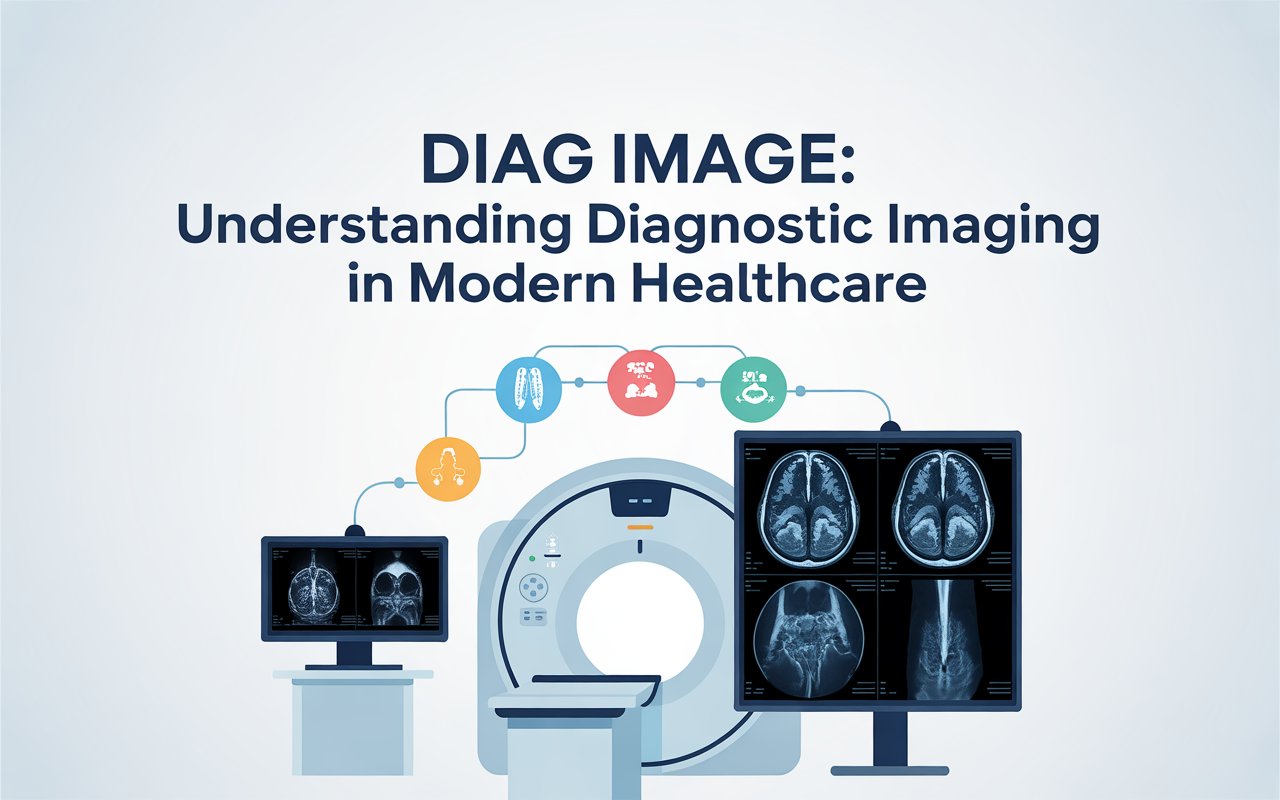
Diag image, commonly understood as diagnostic imaging, is one of the most important pillars of modern healthcare. It refers to a wide range of medical techniques used to create visual representations of the interior of the human body. These images help healthcare professionals detect diseases, monitor health conditions, guide treatments, and evaluate recovery. Without diagnostic imaging, many medical conditions would remain hidden until they reached advanced and sometimes irreversible stages. Over time, diag image technologies have evolved to become faster, safer, and more precise, making them essential tools in everyday clinical practice.
The Purpose and Importance of Diagnostic Imaging
The primary purpose of diag image is to support accurate medical diagnosis. By providing clear visual information, imaging allows doctors to see organs, bones, tissues, and blood vessels without invasive procedures. This reduces the need for exploratory surgeries and enables early detection of diseases such as cancer, fractures, infections, and neurological disorders. Diagnostic imaging also plays a crucial role in preventive care, as routine scans can identify potential health risks before symptoms appear, improving patient outcomes and survival rates.
Common Types of Diag Image Technologies
Diag image includes several imaging techniques, each designed for specific diagnostic needs. X-rays are among the oldest and most widely used methods, particularly effective for examining bones and detecting fractures or lung conditions. Ultrasound uses sound waves to visualize soft tissues and is commonly used in pregnancy and abdominal examinations. Computed tomography scans provide detailed cross-sectional images of the body, allowing precise evaluation of internal organs. Magnetic resonance imaging offers high-resolution images of soft tissues and is especially valuable for brain, spine, and joint assessments. Together, these technologies form a comprehensive diagnostic imaging ecosystem.
How Diag Image Supports Early Disease Detection
One of the most valuable benefits of diag image is early disease detection. Many serious conditions develop silently, showing no symptoms in their initial stages. Diagnostic imaging can reveal abnormalities such as tumors, internal bleeding, or organ damage before clinical signs appear. Early detection allows doctors to begin treatment sooner, often leading to better outcomes and less aggressive interventions. This proactive role makes diagnostic imaging a cornerstone of modern preventive medicine.
Role of Diag Image in Treatment Planning
Beyond diagnosis, diag image is essential for treatment planning and monitoring. Surgeons rely on imaging to understand the exact location and size of abnormalities before performing procedures. Oncologists use scans to determine cancer stages and assess treatment effectiveness. In rehabilitation and physiotherapy, imaging helps evaluate injuries and track healing progress. By offering precise visual guidance, diagnostic imaging ensures treatments are targeted, efficient, and safer for patients.
Technological Advancements in Diagnostic Imaging
The field of diag image has experienced remarkable technological advancements. Digital imaging has replaced traditional film-based systems, allowing faster image processing and easier storage. Artificial intelligence and machine learning are increasingly integrated into imaging systems to assist with image analysis and anomaly detection. These technologies help reduce human error, speed up diagnosis, and improve accuracy. Advanced imaging software also enables three-dimensional visualization, providing deeper insights into complex anatomical structures.
Safety Considerations in Diag Image
While diagnostic imaging offers immense benefits, safety remains a key consideration. Some imaging methods, such as X-rays and CT scans, involve exposure to ionizing radiation. Healthcare providers carefully balance the diagnostic benefits against potential risks by using the lowest effective radiation doses. Other methods, like ultrasound and MRI, do not use ionizing radiation and are considered safer for repeated use. Continuous improvements in technology aim to minimize risks while maximizing diagnostic value.
Diag Image in Emergency Medicine
In emergency settings, diag image plays a life-saving role. Rapid imaging allows doctors to assess trauma injuries, internal bleeding, strokes, and cardiac events within minutes. Immediate access to clear images enables quick decision-making, which is critical in emergencies where time directly affects survival and recovery. Diagnostic imaging systems in emergency departments are designed for speed and reliability, ensuring prompt and accurate assessments.
Impact of Diagnostic Imaging on Patient Experience
Diag image has significantly improved the patient experience by reducing invasive diagnostic procedures. Many conditions that once required surgery for diagnosis can now be evaluated through imaging alone. This leads to less pain, shorter hospital stays, and faster recovery times. Modern imaging equipment is also designed with patient comfort in mind, offering shorter scan durations and quieter operation, which reduces anxiety and discomfort during examinations.
Diag Image and Chronic Disease Management
For patients with chronic conditions, diagnostic imaging is an ongoing tool for disease management. Regular imaging helps monitor disease progression, assess treatment response, and detect complications early. Conditions such as arthritis, cardiovascular disease, and neurological disorders rely heavily on imaging for long-term care planning. By providing consistent visual data over time, diag image supports personalized and adaptive treatment strategies.
Role of Diagnostic Imaging Professionals
Behind every successful diag image is a team of skilled professionals, including radiologists, radiologic technologists, and medical physicists. Radiologists interpret images and provide diagnostic insights, while technologists operate imaging equipment and ensure patient safety. Their expertise ensures image quality, accuracy, and ethical standards in medical imaging practices. Continuous training is essential, as imaging technology evolves rapidly.
Ethical and Privacy Considerations
Diagnostic imaging involves sensitive medical data, making ethical and privacy considerations essential. Imaging records must be securely stored and shared only with authorized healthcare providers. Patients have the right to informed consent and clear explanations of imaging procedures. Ethical practices in diag image ensure trust between patients and healthcare professionals while maintaining confidentiality and respect.
Global Accessibility of Diag Image
Access to diagnostic imaging varies globally, with advanced imaging technologies more readily available in developed healthcare systems. However, efforts are underway to expand imaging access in underserved regions through mobile imaging units and cost-effective technologies. Improving global access to diag image can significantly enhance healthcare outcomes by enabling earlier diagnosis and better disease management worldwide.
Future Trends in Diagnostic Imaging
The future of diag image points toward greater integration of artificial intelligence, cloud-based image sharing, and personalized diagnostics. AI-assisted imaging is expected to enhance detection accuracy and reduce workload for medical professionals. Portable and point-of-care imaging devices will likely become more common, bringing diagnostic capabilities closer to patients. These trends aim to make diagnostic imaging faster, smarter, and more accessible.
Conclusion
Diag image, or diagnostic imaging, is an indispensable component of modern healthcare that supports accurate diagnosis, effective treatment, and improved patient outcomes. From early disease detection to long-term condition management, imaging technologies play a critical role across all medical disciplines. As technology continues to advance, diagnostic imaging will become even more precise, accessible, and patient-centered. Understanding the value and function of diag image highlights its importance in shaping the future of healthcare and saving countless lives through informed medical decision-making.