
 By admin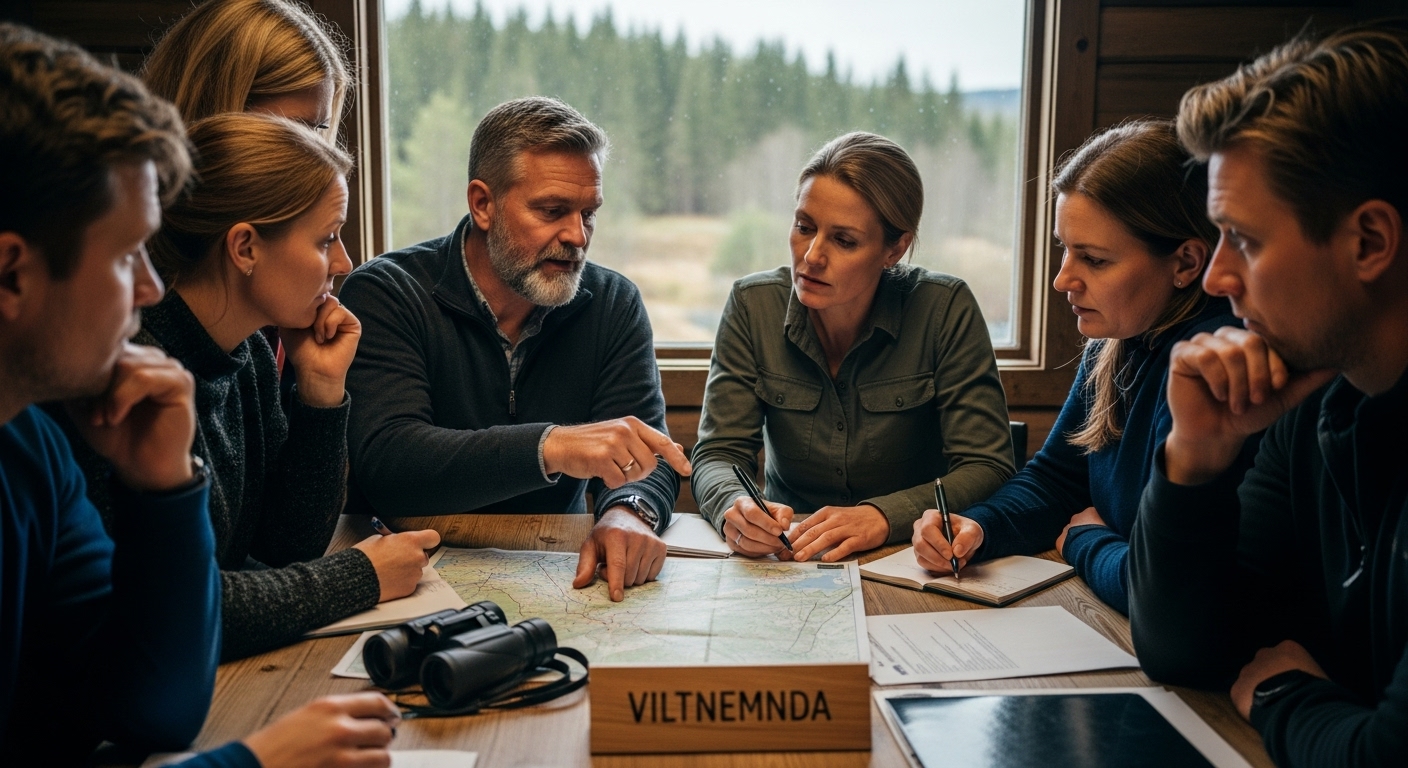
Effective wildlife management is essential for maintaining ecological balance, ensuring sustainable hunting practices, and protecting biodiversity. In Norway, viltnemnda plays a crucial role in achieving these objectives. As a local wildlife committee, viltnemnda serves as a bridge between government policies, landowners, and the community, overseeing the management of game species and regulating hunting activities. Understanding the functions and responsibilities of viltnemnda provides insight into how wildlife resources are responsibly managed at the regional level.
The Purpose of Viltnemnda
Viltnemnda is established to ensure that wildlife management decisions are made in a structured and sustainable manner. Its primary purpose is to monitor game populations, regulate hunting quotas, and provide guidance to hunters and landowners. By coordinating these activities, viltnemnda helps maintain the balance between wildlife conservation and human interests, supporting both ecological integrity and local hunting traditions.
Organizational Structure and Membership
Viltnemnda typically consists of representatives from municipalities, local hunting associations, and relevant environmental authorities. This diverse composition ensures that different perspectives are considered in decision-making processes. Members are responsible for assessing wildlife populations, setting hunting regulations, and advising on habitat management. The committee operates within a framework of national guidelines while adapting decisions to local ecological conditions and community needs.
Wildlife Monitoring and Population Control
A central function of viltnemnda is monitoring wildlife populations. This includes tracking the numbers of deer, moose, and other game species, as well as assessing the impact of predation and human activity. Accurate data collection allows viltnemnda to establish hunting quotas and implement population control measures. Effective population management prevents overgrazing, reduces human-wildlife conflicts, and supports long-term ecosystem health.
Hunting Regulations and Quota Management
Viltnemnda plays a key role in regulating hunting through the allocation of quotas and permits. By determining how many animals may be hunted each season, the committee ensures that hunting practices remain sustainable and do not threaten wildlife populations. This system also helps maintain fairness among hunters, provides economic opportunities for local communities, and aligns hunting activities with conservation goals.
Community Involvement and Education
Viltnemnda engages with local communities to promote awareness of wildlife management principles. Educational initiatives often include information on sustainable hunting, habitat preservation, and safety practices. By involving hunters, landowners, and the general public, viltnemnda fosters a culture of responsibility and stewardship. Community participation strengthens support for wildlife policies and encourages proactive involvement in conservation efforts.
Challenges and Future Directions
Like many wildlife management bodies, viltnemnda faces challenges such as climate change, habitat fragmentation, and fluctuating animal populations. Addressing these issues requires adaptive strategies, data-driven decision-making, and collaboration with researchers and environmental organizations. Looking forward, viltnemnda is likely to integrate more advanced monitoring technologies and community-based conservation initiatives to ensure sustainable management practices continue to evolve.
Conclusion
Viltnemda is a vital institution in Norway’s approach to wildlife management, balancing conservation, hunting, and community interests. Through careful monitoring, quota regulation, and public engagement, the committee helps maintain healthy ecosystems while supporting sustainable hunting practices. By understanding the role of viltnemnda, stakeholders can appreciate the importance of responsible wildlife management and the collaborative efforts required to preserve biodiversity for future generations.