
 By admin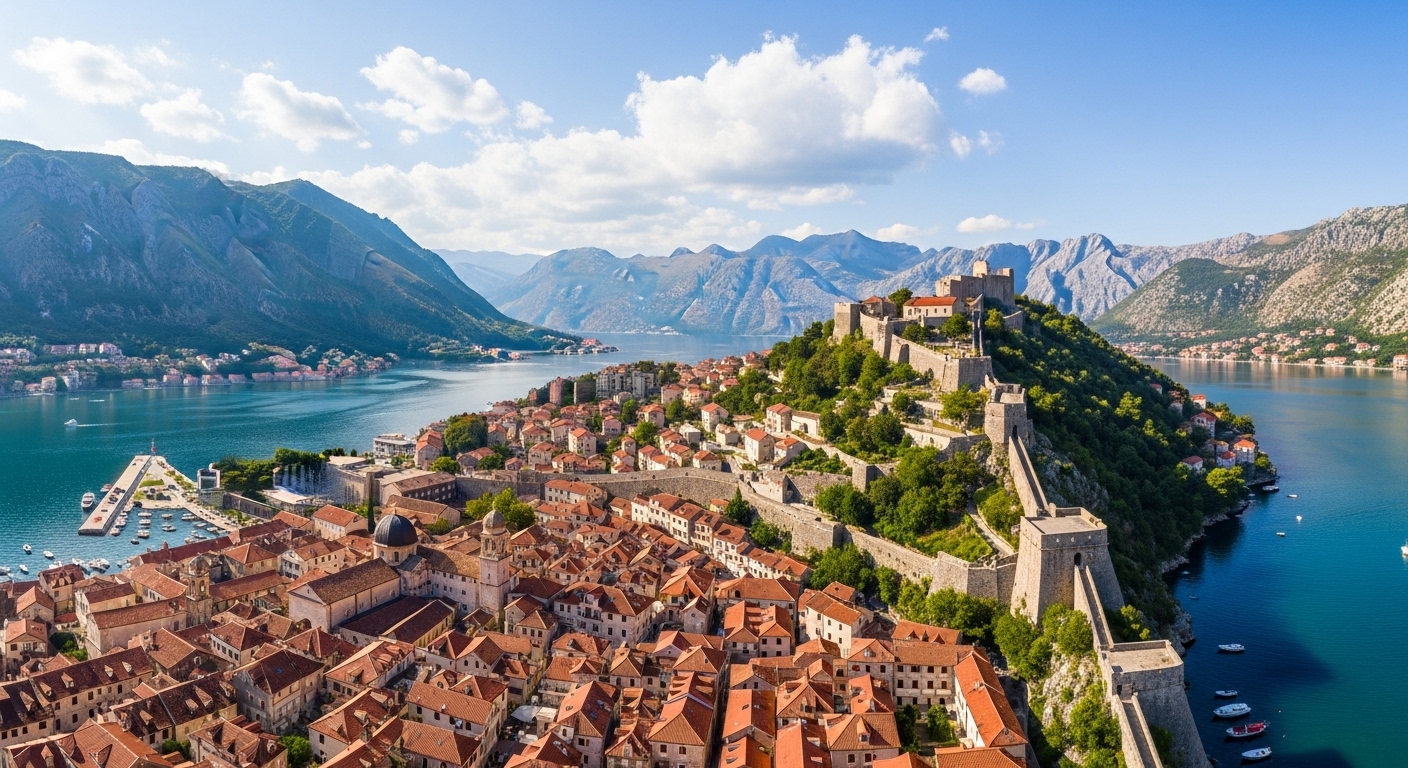
Kotora, Montenegro, widely known as Kotor, is a historic coastal city located along the Adriatic Sea and enclosed by steep limestone mountains. The city is famous for its medieval architecture, preserved old town, and dramatic natural surroundings. Kotora represents a rare combination of cultural heritage and scenic beauty, making it one of the most admired destinations in Southeastern Europe. Its timeless atmosphere reflects centuries of history while continuing to attract modern travelers seeking authenticity and charm.
Historical Background of Kotora
Kotora has a long and complex history that spans more than two millennia. The city has been influenced by Roman, Byzantine, Venetian, and Austro-Hungarian rule, each leaving a distinct mark on its architecture and cultural identity. During the Venetian period, Kotora developed into an important maritime and trading center, protected by massive stone walls and fortifications. This historical richness is one of the main reasons Kotora’s Old Town has been recognized as a UNESCO World Heritage Site.
The Old Town and Architectural Heritage
The Old Town of Kotora is the cultural and historical heart of the city. Surrounded by ancient walls, it features narrow cobblestone streets, small squares, and well-preserved medieval buildings. Landmarks such as St. Tryphon’s Cathedral, built in the 12th century, and the Maritime Museum showcase the city’s religious and seafaring traditions. The layout of the Old Town reflects centuries of urban development shaped by both defense and daily life.
Natural Setting and the Bay of Kotor
Kotora is situated at the deepest point of the Bay of Kotor, a striking natural formation often compared to a fjord. The calm waters of the bay contrast beautifully with the towering mountains that surround the city. This unique landscape creates a peaceful and dramatic environment that enhances Kotora’s appeal. The bay has played a vital role in the city’s maritime history and continues to be a defining feature of its identity.
The Fortress of San Giovanni
Overlooking the city from high above is the Fortress of San Giovanni, one of Kotora’s most iconic landmarks. Reaching the fortress involves climbing a long stone pathway built into the mountainside, once used as a defensive route. From the top, visitors are rewarded with panoramic views of the Old Town and the Bay of Kotor. The fortress stands as a reminder of the city’s strategic importance and defensive strength in earlier centuries.
Cultural Life and Local Traditions
Kotora maintains a vibrant cultural scene rooted in tradition and community life. The city hosts festivals, religious celebrations, and cultural events throughout the year, including the famous Kotor Carnival. Music, art, and local customs are deeply embedded in everyday life, giving visitors an authentic experience. Small cafés, traditional restaurants, and local markets contribute to the city’s welcoming and relaxed atmosphere.
Tourism and Modern Development
Tourism is an important part of Kotora’s economy, with visitors arriving from around the world to explore its history and natural beauty. Despite growing popularity, the city has made efforts to preserve its cultural heritage and environmental balance. Sustainable tourism practices and heritage protection initiatives help ensure that Kotora retains its authenticity while adapting to modern needs.
Conclusion
Kotora, Montenegro, is a city where history, culture, and nature come together in perfect harmony. Its ancient walls, scenic bay, and rich traditions create an unforgettable experience for visitors. Whether explored for its historical significance or admired for its natural beauty, Kotora remains a timeless destination that reflects the enduring spirit of the Adriatic coast.