
 By admin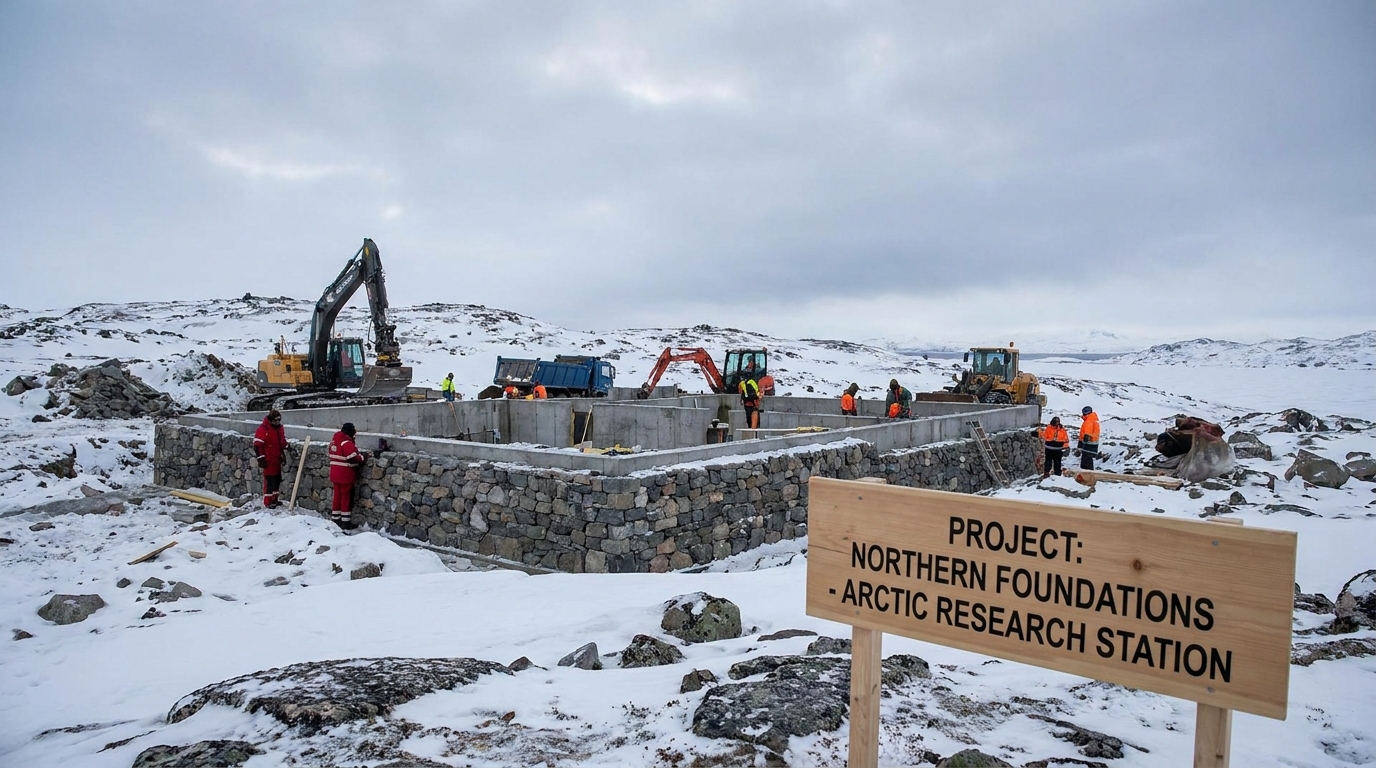
In northern regions extreme climate conditions and freeze-thaw cycles usually put significant stress on soil and structural systems. In the Northwest Territories, seasonal ground movement is a common concern due to long winters, frozen ground, snow accumulation, and the processes of spring thaw that affect the stability of the soil beneath buildings.
- During the winter, the moisture in the soil freezes and expands, pushing sections of the ground upward. When temperatures rise in the spring, the frozen soil begins to thaw unevenly, causing the ground to settle unevenly. This cycle can create shifting beneath foundations, particularly if drainage conditions are poor or if the structure was not originally designed for changing permafrost and moisture conditions.
- In the spring, melting snow and ice increase the moisture levels around buildings. Saturated soil becomes softer and less capable of consistently supporting structural loads. If water is not properly directed away through grading or drainage systems, parts of the foundation may settle unevenly. This can result in cracks in walls, uneven floors, sticking doors or windows, and visible structural shifting.
- In some northern regions, permafrost degradation is an additional concern. Permafrost is ground that remains frozen for extended periods, often continuously for years. Changes in seasonal temperatures and a warming climate may cause previously stable frozen ground to gradually thaw. When this occurs beneath buildings, the stability of the soil can decrease significantly, increasing the risk of settlement and foundation movement.
- Some structures in northern communities were built before modern engineering approaches for northern climates became widely standardized. Over time, repeated seasonal movement can weaken support systems, necessitating stabilization work to ensure structural safety.
Foundation stabilization methods vary depending on the severity of the movement and the soil conditions. Contractors from restoration company Yellowknife may install helical piles, adjust support beams, improve drainage systems, reinforce footings, or perform soil stabilization procedures. A specialized engineering assessment is often necessary before repairs begin because ground conditions can be highly variable.
In terms of permits and licensing, foundation stabilization work typically requires municipal approval, particularly when structural modifications are involved. Building permits are often necessary for major foundation repairs, structural reinforcement, excavation, and pile installation. Local authorities may require engineering plans and inspections to ensure compliance with building safety standards and northern construction regulations.
Licensed contractors are generally recommended or required for structural foundation work. Since stabilization affects the safety and integrity of the building, municipalities and insurers may require that repairs be completed by qualified professionals with the appropriate construction credentials. In some cases, environmental or land-use considerations may also apply, particularly when excavation affects drainage patterns or frozen ground conditions.