
 By admin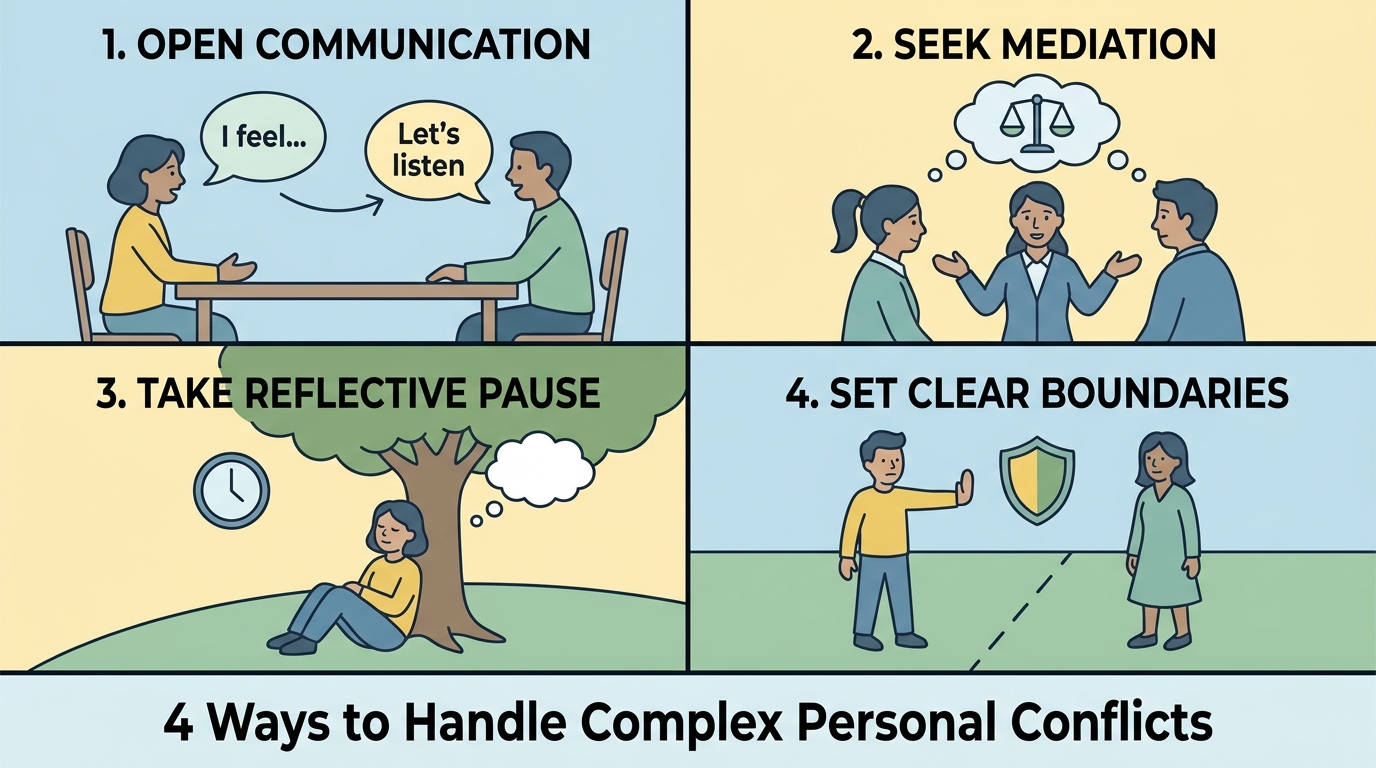
Complex personal conflicts have a way of showing up when you least expect them, whether it’s a family dispute that’s been simmering for years, a business partnership gone sour, or contentious estate matters that divide loved ones. When disagreements move beyond simple misunderstandings, they demand more than just good intentions to resolve. You’ll need structured approaches and careful thought to reach meaningful solutions. The strategies outlined here offer practical frameworks for tackling those stubborn interpersonal disputes that refuse to go away on their own, helping you protect what matters while keeping important relationships intact wherever possible.
Establish Clear Communication Channels
Something interesting happens when conflicts dig in, communication either shuts down completely or gets twisted as it passes through other people and assumptions. You’ve got to create direct, honest dialogue with everyone involved if you want to truly understand their perspectives and get your own concerns across clearly. Start by agreeing on some ground rules: everyone gets to speak without being cut off, and you’ll focus on specific issues instead of launching personal attacks. Schedule formal meetings in neutral spaces where everyone can speak freely without worrying about distractions or being triggered by their surroundings. Written communication works great alongside face, to-face talks, giving you clarity and creating a record of what you’ve discussed or agreed upon. When emotions spike (and they will), taking breaks lets everyone process what’s been said and come back with cooler heads. Preparing talking points beforehand helps ensure you cover everything that needs addressing without getting sidetracked. Here’s the thing about clear communication, it requires active listening, which means genuinely trying to grasp the other person’s position rather than just waiting impatiently for your turn to respond.
Seek Professional Mediation Services
Sometimes conflicts hit a wall where the people involved just can’t make headway on their own, no matter how hard they try to communicate. Professional mediators step in with neutral perspectives and specialized training that can crack through those stubborn impasses. These trained professionals keep discussions on track by making sure everyone’s voice gets heard, spotting areas of agreement, and helping parties explore creative solutions they might never have thought of independently. Mediation shines particularly bright for disputes involving family businesses, inheritance disagreements, or tangled financial matters where you need to preserve relationships while still reaching practical solutions.
Document Everything Thoroughly
In complex personal conflicts, facts have a funny way of becoming fuzzy as memories fade, emotions take over, or people simply remember the same events differently. You can protect yourself and smooth the path toward resolution by keeping detailed records of all relevant communications, agreements, financial transactions, and events tied to the conflict. Your documentation should capture dates, times, who was there, and specific details about what happened or what was said during key interactions. Hang onto emails, text messages, letters, and any written correspondence connected to the dispute, organizing everything chronologically so you can find what you need quickly.
Know When to Involve Legal Professionals
While plenty of conflicts can be worked out through direct communication or mediation, some situations absolutely require legal intervention to protect your rights or make agreements stick. Consider consulting with legal professionals when conflicts involve serious money, potential violations of contracts or laws, or situations where the other parties won’t engage in honest negotiations. Legal disputes connected to estates, trusts, or inheritance matters often involve complicated regulations and procedures that demand specialized knowledge to handle effectively. When you’re dealing with contested wills, trust disputes, or beneficiary disagreements, a Los Angeles probate litigation attorney can help resolve these complex estate conflicts while protecting your legal rights. Attorneys who focus on specific conflict areas can walk you through your rights, likely outcomes, and strategic approaches to resolution. They can also handle negotiations for you when direct communication has gotten too heated or stopped being productive. Legal representation becomes particularly important when you’re dealing with parties who’ve already hired their own attorneys, you need equivalent expertise to ensure fair treatment. Even if you’re hoping to avoid litigation, consulting with legal professionals early helps you understand where you stand and make informed decisions about next steps. Many conflicts get resolved through attorney-negotiated settlements that never see the inside of a courtroom, providing resolution without the time and expense of full litigation. Legal professionals can also draft or review settlement agreements to make sure they’re enforceable and protect your interests down the road.
Conclusion
Handling complex personal conflicts demands patience, strategy, and a willingness to engage constructively even when relationships feel stretched to their limits. By establishing clear communication, bringing in professional mediation when you need it, documenting everything that matters, and recognizing when legal help becomes necessary, you’ll be better equipped to navigate difficult disputes effectively. These approaches work best when you combine them thoughtfully based on what’s actually happening in your specific situation. Keep in mind that resolution usually takes time and might require experimenting with multiple strategies before you find what clicks for your particular conflict. The effort you put into proper conflict management pays off by protecting both your practical interests and the personal relationships that matter to you.