
 By admin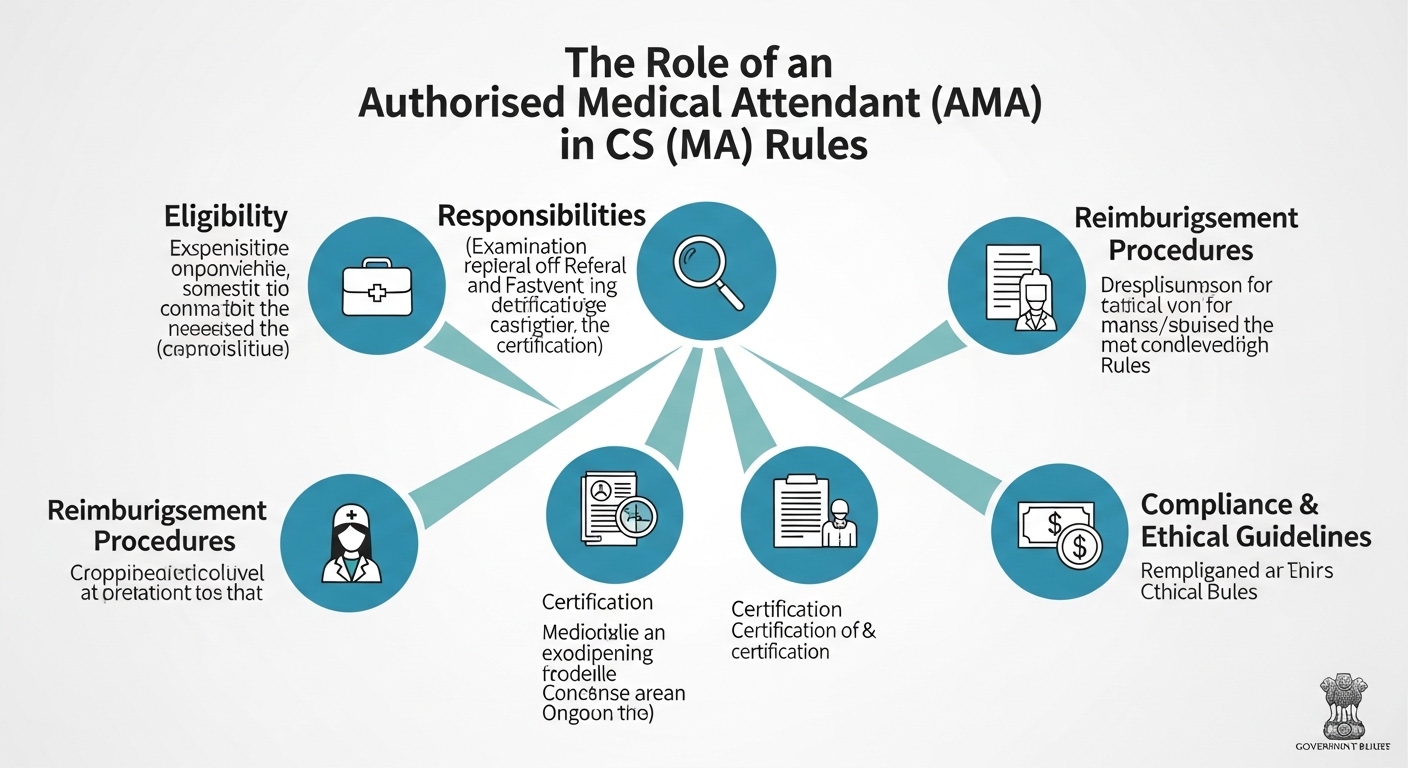
An authorised medical attendant plays a crucial role in the healthcare system, bridging the gap between patients and medical practitioners. Often abbreviated as AMA in documentation, this role involves assisting medical staff, monitoring patients, and ensuring timely delivery of healthcare services. The presence of authorised medical attendants is especially vital in hospitals, clinics, and emergency care settings where prompt and accurate care is necessary. Understanding the responsibilities, qualifications, and significance of an authorised medical attendant helps in appreciating their contribution to the healthcare ecosystem and highlights why their role is essential for efficient patient management.
Definition of an Authorised Medical Attendant
An authorised medical attendant is a healthcare professional officially recognized to provide medical support under the supervision of licensed practitioners. Unlike general support staff, AMAs possess specialized training to carry out tasks such as administering basic medical care, recording patient vitals, and assisting in minor procedures. Their authorization often comes from healthcare institutions or regulatory authorities, ensuring they meet the required competency standards. The primary purpose of an authorised medical attendant is to provide structured assistance in clinical settings, allowing doctors and nurses to focus on complex medical decisions while maintaining a safe environment for patients.
Key Responsibilities of an Authorised Medical Attendant
The responsibilities of an authorised medical attendant are diverse and critical for smooth hospital operations. They are expected to monitor patient conditions, maintain accurate medical records, and assist in routine procedures like injections or wound dressing. AMAs may also coordinate with nurses and physicians to ensure timely delivery of medications and treatments. They play a key role in patient education, providing instructions about medications or post-treatment care. Their work supports the overall efficiency of medical facilities and ensures that patients receive proper attention and care. Reliability and attention to detail are essential traits for success in this role.
Qualifications and Training Required
To become an authorised medical attendant, candidates usually undergo formal training in healthcare practices, basic medical procedures, and emergency response. This training may be obtained through vocational courses, nursing assistant programs, or specialized certification courses. A foundational understanding of anatomy, hygiene, and patient handling is essential. Depending on regional regulations, candidates may also need official authorization or licensing to work in hospitals or clinics. Continuous learning and updating skills are often necessary to adapt to evolving medical practices. Proper training ensures that authorised medical attendants can perform their duties safely and effectively while supporting medical teams efficiently.
Importance in Healthcare Settings
Authorised medical attendants are critical for maintaining quality patient care in healthcare settings. They help reduce the workload on doctors and nurses, ensuring that basic medical needs are promptly addressed. Their presence improves patient monitoring, enhances communication between staff members, and ensures timely intervention in emergencies. By managing routine procedures and administrative tasks, AMAs allow medical professionals to focus on specialized treatments. This not only improves hospital efficiency but also contributes to better patient outcomes. The importance of authorised medical attendants cannot be understated, as they provide essential support that maintains the smooth functioning of healthcare facilities.
Role in Emergency Care
In emergency care, the authorised medical attendant plays a pivotal role in rapid assessment and intervention. They assist in stabilizing patients, monitoring vital signs, and ensuring that emergency protocols are followed. Quick and accurate action by AMAs can make a significant difference in patient survival and recovery. Their training enables them to recognize early warning signs, provide first aid, and relay critical information to physicians. In high-pressure situations, the reliability of authorised medical attendants ensures that care is delivered efficiently and safely, underscoring their importance in emergency healthcare operations.
Legal and Regulatory Considerations
Authorised medical attendants must adhere to specific legal and regulatory standards to ensure safe practice. Regulatory bodies often define the scope of their duties, including the procedures they can perform and the level of supervision required. Compliance with health and safety regulations, patient privacy laws, and institutional policies is mandatory. Failure to follow these standards can result in legal consequences or loss of authorization. Understanding and respecting these regulations is essential for AMAs to maintain credibility and ensure that healthcare delivery remains ethical, safe, and within the bounds of the law.
Skills and Attributes of an Effective AMA
An effective authorised medical attendant combines technical knowledge with strong interpersonal skills. Attention to detail, patience, and empathy are crucial for interacting with patients while performing routine procedures accurately. Communication skills are necessary for coordinating with doctors, nurses, and administrative staff. Problem-solving ability and adaptability are also valuable, particularly in dynamic healthcare environments. Emotional resilience helps manage the stress associated with medical emergencies and high patient volumes. Possessing these skills ensures that authorised medical attendants contribute positively to patient care and maintain the confidence of both patients and medical teams.
Career Growth and Opportunities
A career as an authorised medical attendant offers several growth opportunities in healthcare. With experience and additional training, AMAs can advance to supervisory roles, specialized nursing, or other allied health professions. Hospitals and clinics often provide pathways for career development through certifications and continuing education. The demand for skilled medical support staff remains strong due to the expanding healthcare sector. Choosing this path can serve as a stepping stone for aspiring healthcare professionals while providing meaningful and impactful work in patient care. Long-term career prospects are promising, with opportunities for skill enhancement and professional recognition.
Conclusion
The role of an authorised medical attendant is indispensable in modern healthcare, combining technical expertise with patient-centered care. Their responsibilities, ranging from routine monitoring to emergency support, make them critical members of medical teams. Proper training, adherence to regulations, and strong interpersonal skills are key to their effectiveness. By assisting doctors and nurses, AMAs help maintain hospital efficiency and improve patient outcomes. Recognizing the importance of authorised medical attendants highlights their contribution to safe and high-quality healthcare. Their presence ensures that both patients and medical professionals benefit from a well-supported clinical environment.