
 By admin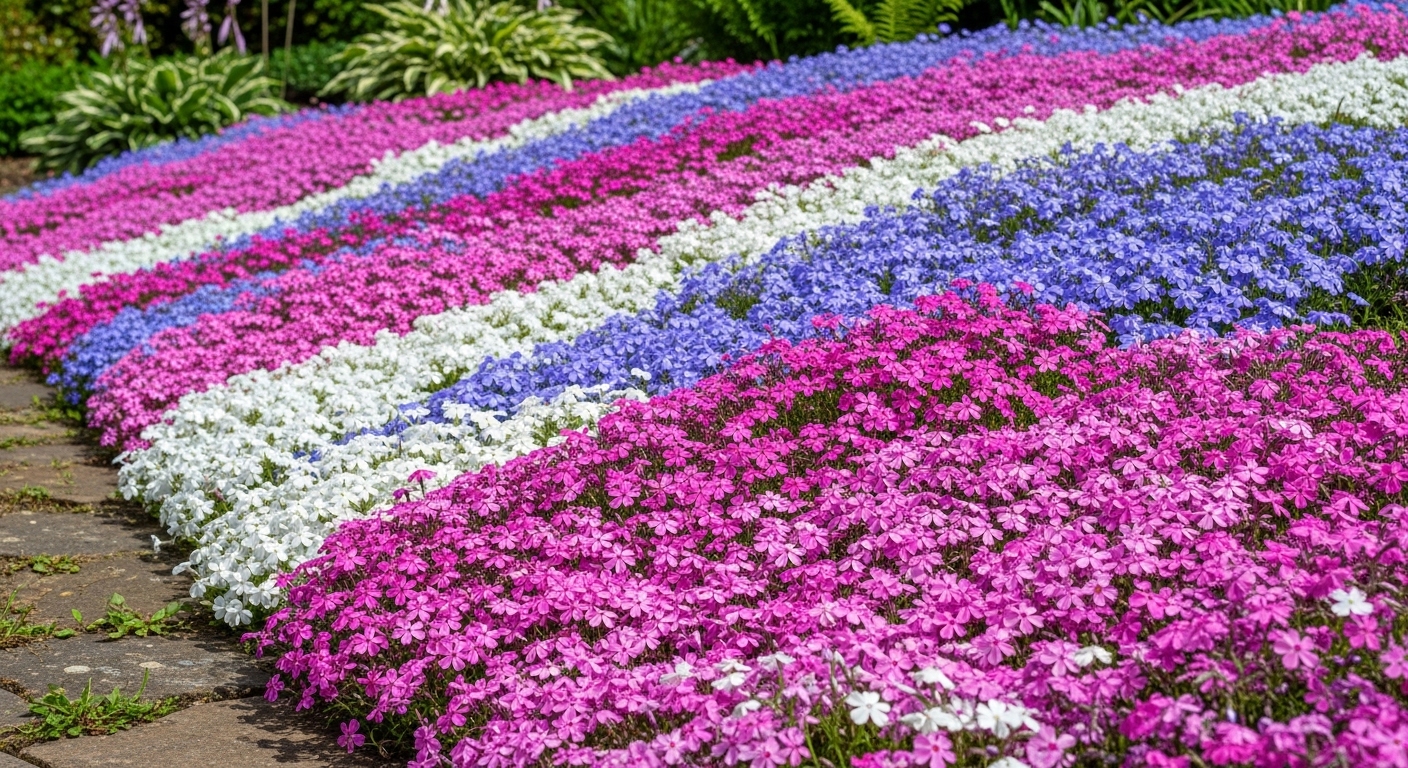
Creeping phlox is a popular flowering plant known for its vibrant colors and ability to create a stunning carpet-like effect in gardens. This low-growing perennial spreads gracefully across the ground, making it ideal for slopes, borders, and rock gardens. With its dense clusters of small flowers, creeping phlox adds beauty and texture to outdoor spaces during the spring season. It is also relatively easy to care for, which makes it suitable for both experienced gardeners and beginners. Its versatility and visual appeal have made creeping phlox a favorite choice for enhancing landscape design.
What Is Creeping Phlox
Creeping phlox is a flowering plant that belongs to the Phlox genus and is widely used as a ground cover. It grows close to the ground and spreads outward, forming a dense mat of foliage and blooms. The plant is especially valued for its ability to cover large areas with minimal maintenance. It produces clusters of small, star-shaped flowers that create a visually striking display. Creeping phlox is often used to fill gaps in gardens or to soften the edges of pathways. Its adaptability makes it a reliable and attractive option for various landscaping needs.
Unique Features and Appearance
The most distinctive feature of creeping phlox is its colorful blooms, which appear in shades of pink, purple, blue, and white. These flowers form a thick layer that almost completely covers the foliage during peak blooming season. The plant’s evergreen leaves provide year-round interest, even when it is not in bloom. Its low-growing habit allows it to spread evenly across surfaces, creating a smooth and uniform appearance. The combination of vibrant flowers and dense greenery makes creeping phlox an eye-catching addition to any garden, enhancing both texture and visual appeal.
Ideal Growing Conditions
Creeping phlox thrives in well-drained soil and prefers locations that receive full sunlight. While it can tolerate partial shade, the best flowering results occur in bright conditions. Good air circulation helps maintain the plant’s health and prevents common issues. It is also adaptable to different soil types, as long as drainage is adequate. Once established, creeping phlox is relatively drought-tolerant, making it suitable for various climates. Providing the right growing conditions ensures that the plant develops strong roots and produces abundant blooms, contributing to a healthy and vibrant garden environment.
Planting and Care Guidelines
Planting creeping phlox requires careful placement to allow for proper spreading and growth. It is best planted in early spring or fall when temperatures are moderate. Spacing between plants is important to ensure they have room to expand without overcrowding. Watering should be consistent during the initial growth phase, but overwatering should be avoided. Adding organic matter to the soil can improve its quality and support healthy development. Regular monitoring helps address any issues early. With proper care, creeping phlox can thrive and provide long-lasting beauty in garden landscapes.
Seasonal Bloom and Maintenance
Creeping phlox is known for its impressive spring bloom, when it produces a dense carpet of colorful flowers. This seasonal display can transform a garden into a vibrant and inviting space. After the blooming period, light pruning can help maintain its shape and encourage healthy growth. Removing faded flowers also improves the plant’s appearance and prevents unnecessary energy loss. Although it requires minimal maintenance, occasional care ensures that it remains healthy throughout the year. This balance of low maintenance and high visual impact makes creeping phlox a practical choice for many gardeners.
Landscaping Uses and Design Ideas
Creeping phlox is highly versatile and can be used in various landscaping designs. It is commonly planted along garden borders, where it creates a soft and colorful edge. It also works well in rock gardens, where its spreading nature complements the natural structure of stones. On slopes, creeping phlox helps prevent soil erosion while adding visual interest. It can also be used to fill empty spaces between larger plants. Its ability to adapt to different settings makes it a valuable addition to creative garden designs, enhancing both function and aesthetics.
Benefits of Growing Creeping Phlox
Growing creeping offers several benefits beyond its visual appeal. It acts as a natural ground cover, helping to reduce weed growth and retain soil moisture. Its dense growth pattern provides protection for the soil, preventing erosion in sloped areas. The plant also attracts pollinators such as bees and butterflies, supporting local ecosystems. Additionally, its low maintenance requirements make it an ideal choice for busy gardeners. These advantages make creeping phlox a practical and environmentally friendly option for enhancing outdoor spaces while supporting biodiversity.
Common Issues and How to Manage Them
Although creeping is generally hardy, it can occasionally face issues such as poor drainage or fungal diseases. Ensuring proper soil conditions and adequate spacing can help prevent many problems. Overwatering should be avoided, as it can lead to root rot and other complications. Regular inspection of the plant allows for early detection of any signs of stress or disease. If necessary, trimming affected areas can help maintain overall health. By providing proper care and attention, gardeners can minimize these issues and keep creeping phlox thriving in their landscapes.
Why Creeping Phlox Is a Garden Favorite
Creeping remains a popular choice among gardeners due to its combination of beauty, versatility, and ease of care. Its vibrant flowers create a striking visual effect that enhances any outdoor space. The plant’s ability to adapt to different environments makes it suitable for a wide range of gardening styles. Its low maintenance needs also appeal to those looking for reliable and attractive plants. Whether used in small gardens or large landscapes, creeping phlox consistently delivers impressive results. Its enduring popularity reflects its value as both a decorative and functional plant.
Conclusion
Creeping is an excellent choice for anyone looking to add color and texture to their garden with minimal effort. Its vibrant blooms, adaptability, and practical benefits make it a standout option for various landscaping needs. From covering slopes to enhancing borders, it offers both beauty and functionality. With proper care and suitable growing conditions, creeping phlox can thrive and provide long-lasting visual appeal. Its ability to transform ordinary spaces into colorful displays ensures that it remains a favorite among gardeners worldwide.