
 By admin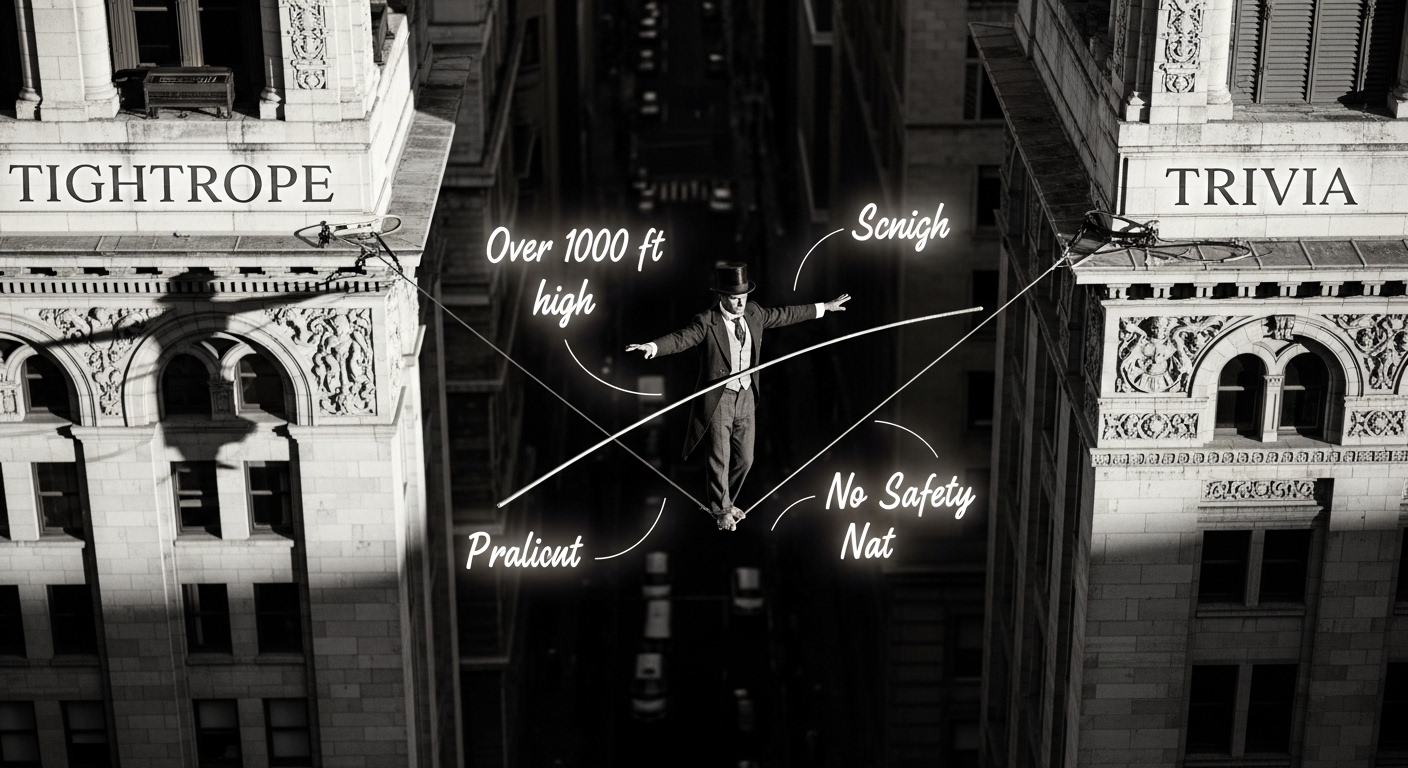
Tightrope walking has captivated audiences for centuries, blending daring skill with incredible focus. Often seen in circuses, street performances, and extreme sports, this art form requires balance, strength, and mental precision. Tightrope trivia offers intriguing insights into its history, techniques, and notable performers, revealing how humans have challenged gravity and entertained audiences worldwide. Whether you are a fan of circus arts, extreme sports, or simply curious about unusual skills, exploring tightrope trivia provides a deeper appreciation for the dedication and courage required to walk the line between danger and artistry.
The History of Tightrope Walking
Tightrope walking dates back thousands of years, with origins traced to ancient civilizations such as China and Greece. Historical records suggest that performers used ropes or wires to entertain crowds at festivals and religious ceremonies. In medieval Europe, tightrope acts were a common form of public amusement, often accompanied by music or theatrical elements. The practice evolved over centuries, incorporating new techniques and equipment. Understanding the history of tightrope walking provides context for modern performances and highlights how this skill has been admired across cultures. Tightrope trivia often surprises audiences with stories of record-setting walks and daring feats from the past.
Famous Tightrope Walkers
Throughout history, several tightrope performers have become legendary for their daring feats. Charles Blondin, a 19th-century French acrobat, famously crossed Niagara Falls on a tightrope multiple times, performing stunts such as carrying a man on his back. Philippe Petit achieved worldwide recognition in 1974 for his high-wire walk between the Twin Towers of New York City, captivating millions. Modern performers continue to push the limits with urban high-wires and extreme heights. Learning about these individuals is essential for tightrope trivia enthusiasts, as their achievements illustrate the extraordinary skill, courage, and precision required to excel in this challenging art form.
Techniques and Skills Required
Tightrope walking demands a combination of balance, core strength, focus, and spatial awareness. Walkers must maintain a low center of gravity, control their movements carefully, and often use props like balancing poles to stabilize themselves. Training involves strengthening muscles, improving flexibility, and developing mental concentration to resist fear and maintain composure. Practicing foot placement and rhythm is essential to prevent slips or missteps. Tightrope trivia highlights how these skills have been refined over centuries, allowing performers to execute increasingly complex stunts while appearing effortless. Mastery of these techniques separates exceptional performers from casual practitioners.
Equipment Used in Tightrope Walking
The rope or wire itself is central to tightrope walking, with variations in thickness, tension, and material depending on the performance. Balancing poles, harnesses, and safety nets may be used in modern acts to enhance stability and reduce risk. Historically, performers relied solely on their balance and skill, demonstrating incredible control without modern safety measures. Understanding the equipment provides context for tightrope trivia, illustrating how innovations have allowed performers to attempt higher, longer, or more daring walks while maintaining audience safety. The interplay between skill and equipment is a key aspect of this captivating art.
Records and Achievements
Tightrope walking has inspired record-breaking feats around the world, many of which feature in tightrope trivia. Longest walks, highest elevations, and most dangerous crossings often make headlines. For example, performers have walked across canyons, between skyscrapers, and over volcanic landscapes. These achievements require meticulous preparation, mental fortitude, and flawless execution. Record-setting walks showcase human potential and the desire to challenge limits. Exploring these achievements helps enthusiasts understand the extreme dedication involved and provides a sense of awe at what skilled tightrope walkers can accomplish through practice and determination.
Tightrope Walking in Popular Culture
Tightrope walking has frequently appeared in literature, films, and television, symbolizing risk, balance, and skill. Movies and documentaries often highlight high-profile acts or dramatize the tension of walking above great heights. The image of the tightrope walker serves as a metaphor for precision, daring, and careful navigation of challenges in life. Incorporating tightrope trivia into popular culture discussions helps illustrate how this performance art captures the human imagination and inspires creativity. Audiences connect with the thrill and beauty of walking the line, making tightrope acts enduring symbols of courage and artistry.
Mental Focus and Concentration
A key component of tightrope walking is mental focus, which often receives as much attention as physical training. Walkers must remain calm under pressure, controlling their breathing and thoughts to maintain stability. Fear management and visualization techniques are commonly used to enhance performance and reduce anxiety. Tightrope trivia highlights how performers train their minds to handle extreme situations, showing that mental discipline is just as critical as physical skill. This insight emphasizes the holistic nature of tightrope walking, where success depends on a harmonious combination of body and mind to achieve precision and grace.
Safety Measures and Modern Practices
While traditional tightrope walking relied purely on skill, modern practices often include safety measures to protect performers. Nets, harnesses, and spotters are commonly used during training or high-risk acts. Advances in rope technology and tension systems also enhance stability. These measures allow performers to attempt longer or more dangerous walks with reduced risk. Understanding the role of safety in tightrope walking provides context for tightrope trivia, illustrating how the art form has evolved while still demanding remarkable skill, courage, and dedication to achieve even seemingly simple feats.
Benefits of Practicing Tightrope Walking
Beyond entertainment, tightrope walking offers physical and mental benefits. Practicing this skill improves balance, coordination, core strength, and focus. It encourages patience, discipline, and concentration, making it a rewarding activity for personal development. Many performers describe a sense of mindfulness and flow while walking the line, highlighting the mental clarity it provides. Learning about these benefits adds depth to tightrope trivia, showing that the practice is not only a performance art but also a means of enhancing physical fitness and mental resilience in a challenging yet fulfilling way.
Conclusion
Tightrope walking is a captivating blend of skill, courage, and artistry that continues to inspire audiences worldwide. Exploring tightrope trivia offers insights into its history, techniques, famous performers, records, and cultural significance. From mastering balance and mental focus to understanding the equipment and safety measures, the world of tightrope walking showcases human potential and the drive to challenge limits. Whether approached as a performance art or a form of physical and mental training, tightrope walking remains a testament to precision, discipline, and the daring spirit that captures the imagination of enthusiasts everywhere.