
 By admin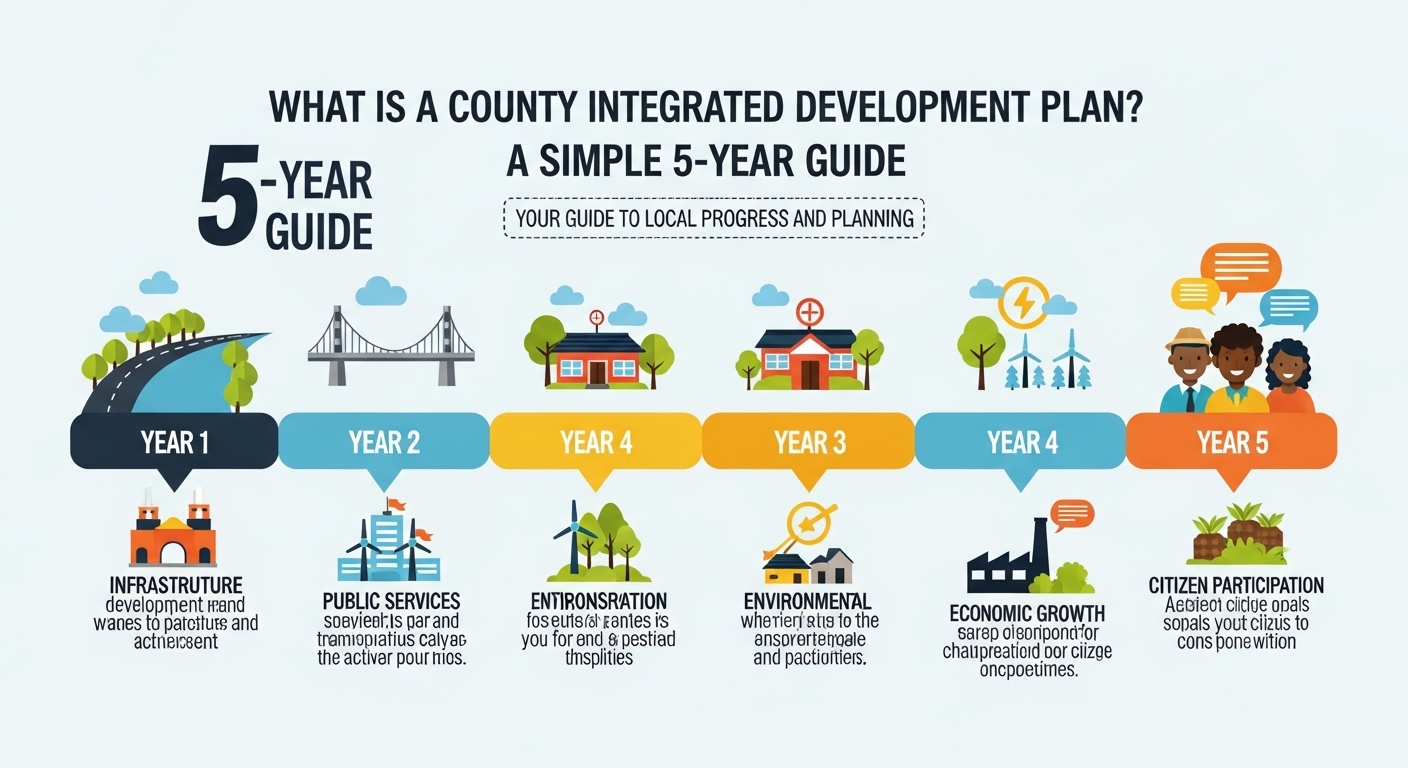
A county integrated development plan serves as a blueprint for sustainable growth, resource management, and social development within a county. It guides local authorities in aligning policies, budgets, and projects to achieve economic, environmental, and social objectives. These plans are essential for effective governance, ensuring that development initiatives address community needs while maintaining long-term sustainability. Understanding the structure, objectives, and implementation process of a county integrated development plan helps residents, policymakers, and stakeholders participate in informed decision-making. This article explores the key aspects, benefits, and challenges associated with county integrated development planning.
What Is a County Integrated Development Plan
A county integrated development plan is a strategic document that outlines a county’s development priorities, projects, and resource allocation for a specified period, often five years. It integrates social, economic, and environmental considerations to provide a holistic approach to development. The plan serves as a guide for decision-making, budgeting, and monitoring progress across sectors such as health, education, infrastructure, and agriculture. It ensures that all development initiatives are coordinated and aligned with national policies while addressing local needs. A well-prepared county integrated development plan promotes transparency, accountability, and participatory governance in local development processes.
Objectives of a County Integrated Development Plan
The primary objectives of a county integrated development plan include promoting sustainable economic growth, improving public service delivery, and enhancing the quality of life for residents. It also aims to ensure efficient use of resources, reduce inequalities, and strengthen governance structures at the county level. The plan provides a framework for integrating sectoral plans, development policies, and community priorities into a coherent strategy. By setting measurable goals and performance indicators, it allows county authorities to track progress and adjust initiatives as needed. Achieving these objectives requires active collaboration between government agencies, stakeholders, and the public.
Legal and Regulatory Framework
County integrated development plans are often guided by national laws and regulations that outline their preparation, approval, and implementation processes. In many countries, legislation mandates that counties develop these plans to ensure alignment with national development strategies and fiscal policies. Regulatory frameworks specify timelines, stakeholder consultation requirements, and reporting standards. Compliance with these legal provisions ensures that county integrated development plans are recognized as official planning instruments, providing authority for resource allocation and project implementation. Understanding the legal framework is essential for policymakers and residents to ensure the plan meets statutory requirements and supports sustainable local development.
Stakeholder Participation in Planning
Stakeholder participation is a critical component of a county integrated development plan. Engaging community members, local leaders, civil society organizations, and private sector actors helps identify priorities, address local challenges, and promote inclusive development. Public consultations and forums allow residents to contribute ideas, provide feedback, and hold authorities accountable. Active involvement of stakeholders enhances the legitimacy and effectiveness of the plan, ensuring that proposed initiatives reflect real community needs. It also encourages transparency and builds trust between county governments and citizens, which is essential for the successful implementation of development programs and long-term community engagement.
Key Components of a County Integrated Development Plan
A comprehensive county integrated development plan includes several components such as situational analysis, strategic objectives, sectoral plans, project identification, and performance indicators. The situational analysis assesses current social, economic, and environmental conditions within the county. Strategic objectives define long-term goals, while sectoral plans detail specific interventions in areas like health, education, and infrastructure. Project identification prioritizes initiatives based on resources, feasibility, and impact. Performance indicators and monitoring frameworks help track progress and ensure accountability. Integrating these components ensures the plan provides a clear roadmap for sustainable development and resource allocation.
Budgeting and Resource Allocation
Budgeting and resource allocation are crucial aspects of a county integrated development plan, as they determine the feasibility and sustainability of development initiatives. The plan outlines how financial resources will be distributed across sectors and projects, ensuring alignment with strategic objectives. It prioritizes funding for critical areas while promoting efficiency and accountability in spending. Transparent budgeting processes also enable stakeholders to understand how public resources are utilized, reducing risks of mismanagement. Effective resource allocation ensures that the county can implement development projects successfully, addressing pressing community needs and achieving long-term growth.
Monitoring and Evaluation
Monitoring and evaluation are essential for assessing the effectiveness of a county integrated development plan. Counties establish performance indicators and reporting systems to track progress toward strategic goals. Regular monitoring allows authorities to identify challenges, adjust strategies, and ensure that projects deliver the intended benefits. Evaluation provides insights into the impact of interventions, guiding future planning cycles. Incorporating monitoring and evaluation mechanisms ensures accountability, transparency, and continuous improvement. This process also helps stakeholders understand the outcomes of development initiatives, fostering confidence in county governance and encouraging ongoing participation in planning and implementation.
Challenges in Implementation
Implementing a county integrated development plan can face several challenges, including limited financial resources, capacity constraints, and inadequate stakeholder engagement. Poor coordination among government departments or between counties and national authorities can hinder project execution. Data limitations and weak monitoring systems may affect decision-making and accountability. Resistance to change or lack of public awareness can reduce the effectiveness of initiatives. Addressing these challenges requires strategic planning, capacity building, transparent governance, and active participation from all stakeholders. Overcoming implementation obstacles is crucial for ensuring that the county integrated development plan achieves its intended social, economic, and environmental objectives.
Conclusion
A county integrated development plan serves as a foundational tool for sustainable local development, guiding policy, budgeting, and project implementation. By integrating sectoral priorities, promoting stakeholder engagement, and establishing monitoring frameworks, it ensures that counties can address local needs effectively. Legal compliance, strategic planning, and transparent resource allocation enhance accountability and public trust. While challenges exist, a well-prepared and effectively implemented plan can improve service delivery, foster economic growth, and enhance the quality of life for residents. Understanding the components and significance of a county integrated development plan is essential for both policymakers and communities seeking sustainable development.