
 By admin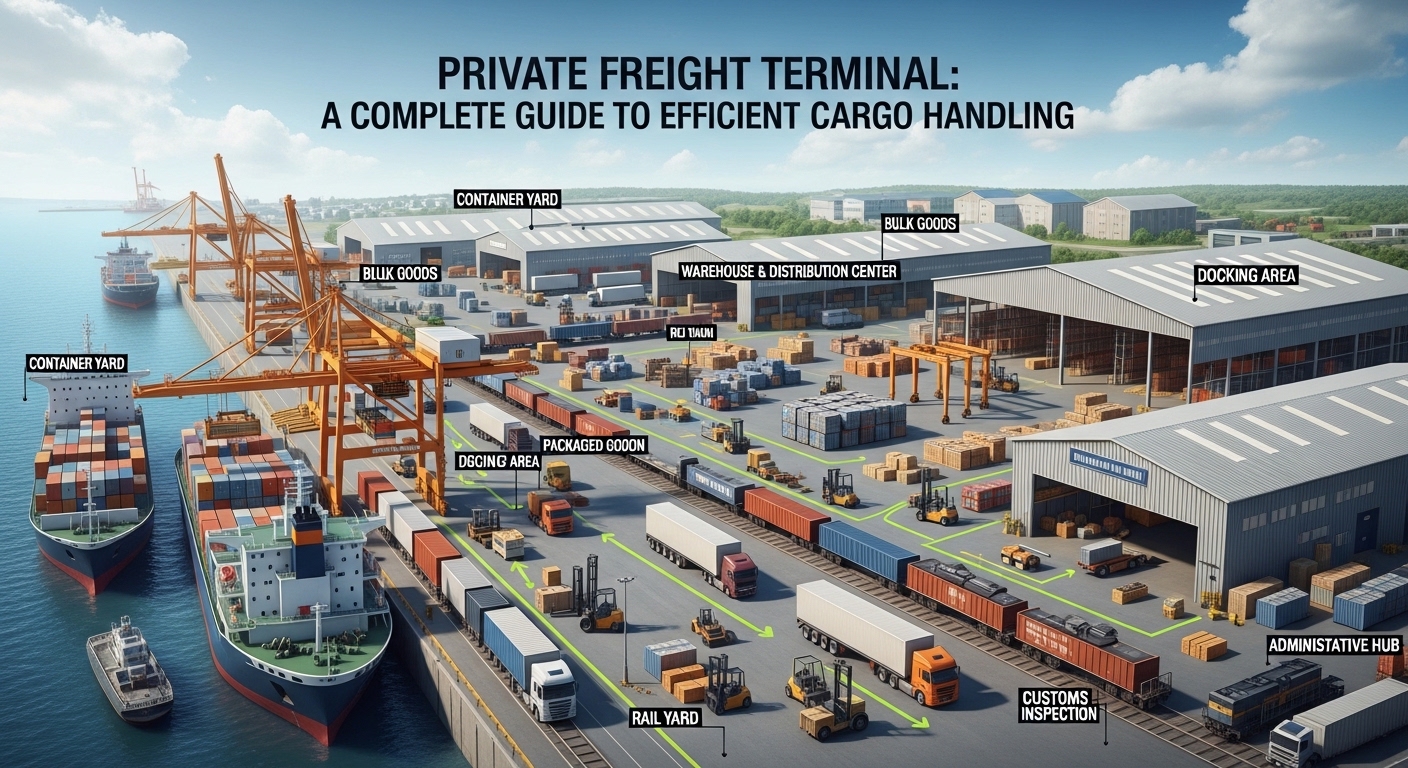
In the world of logistics and transportation, a private freight terminal plays a crucial role in streamlining the movement of goods. Unlike public terminals, private freight terminals are owned and operated by specific companies, allowing them to control operations, security, and scheduling more efficiently. These facilities offer tailored solutions for industries requiring consistent, reliable cargo handling, from shipping and warehousing to rail and truck transportation. Understanding the functions, benefits, and operational aspects of private freight terminals can help businesses optimize supply chains, reduce costs, and improve overall efficiency in managing large volumes of goods across regional and international networks.
What Is a Private Freight Terminal
A private freight terminal is a cargo-handling facility operated by a company for its own shipping and logistics needs. These terminals manage the loading, unloading, storage, and transportation of goods, often integrating with rail, road, or port networks. Unlike public terminals that serve multiple clients, private terminals are designed to prioritize the company’s operational efficiency, security, and scheduling flexibility. Businesses using private freight terminals can customize operations to meet specific cargo types, volume requirements, and regulatory needs. This level of control ensures smooth handling of freight while reducing reliance on shared facilities, which can minimize delays and increase reliability for supply chain management.
Key Advantages of Private Freight Terminals
Private freight terminals offer several advantages over public alternatives. By controlling scheduling and operations, companies can reduce delays caused by congestion or competing priorities. Security is often enhanced through restricted access, surveillance, and specialized personnel, which protects valuable or sensitive cargo. Additionally, businesses can implement custom handling procedures tailored to the types of goods being transported, such as refrigerated, hazardous, or oversized cargo. Private terminals also support better inventory management, allowing real-time monitoring of shipments and storage capacity. These benefits collectively improve efficiency, reduce costs, and enhance customer satisfaction for businesses that rely on frequent freight movement.
Types of Cargo Handled
Private freight terminals handle a wide range of cargo types depending on the company’s operational focus. General freight, bulk commodities, containerized goods, and specialized shipments like refrigerated products or hazardous materials are commonly managed. Terminals may also cater to oversized or heavy equipment requiring specialized lifting and transport systems. By designing operations around specific cargo needs, private freight terminals optimize storage, loading, and unloading processes. This flexibility allows companies to maintain high throughput while ensuring compliance with safety regulations and minimizing damage or loss. Handling diverse cargo efficiently is a key reason why private terminals are valuable for logistics-intensive industries.
Infrastructure and Facilities
The infrastructure of a private freight terminal is designed for efficiency and safety. Terminals typically include storage yards, warehouses, loading docks, rail sidings, truck bays, and specialized handling equipment. Advanced terminals incorporate automation, such as conveyor systems, automated guided vehicles, and inventory tracking technologies. Adequate space for maneuvering trucks and containers, combined with clear operational protocols, ensures smooth cargo flow. Additionally, private terminals often provide office facilities for staff and integrated IT systems to monitor logistics operations in real time. Well-planned infrastructure allows companies to handle large volumes of freight consistently while maintaining high safety and operational standards.
Integration With Transportation Networks
Private freight terminals are closely integrated with transportation networks, including highways, railroads, and ports. This integration enables seamless transfer of cargo between modes of transportation, reducing transit times and handling costs. Companies can schedule shipments according to operational needs, avoiding congestion and maximizing efficiency. Some private terminals also provide intermodal solutions, allowing containers or freight units to move between trucks, trains, and ships without repeated handling. By strategically locating terminals near key transport hubs and maintaining strong connectivity, businesses can improve supply chain reliability and reduce logistical challenges, which is particularly important for time-sensitive or high-volume shipments.
Operational Efficiency and Technology
Operational efficiency is a cornerstone of private freight terminal management. Companies implement technology solutions such as terminal operating systems, RFID tracking, and automated scheduling tools to monitor cargo movement, optimize storage, and track shipments in real time. These systems allow managers to anticipate bottlenecks, schedule labor effectively, and reduce idle time for vehicles and equipment. Efficient workflows minimize handling errors, prevent delays, and enhance throughput. By leveraging technology, private freight terminals can achieve high operational standards, ensuring consistent service quality while supporting business growth and cost-effective freight management strategies.
Safety and Regulatory Compliance
Safety and regulatory compliance are critical in private freight terminal operations. Terminals must adhere to local and international safety standards, including proper storage for hazardous materials, fire prevention systems, and secure handling procedures. Staff training, emergency protocols, and regular audits are standard practices to mitigate risk. Compliance with customs and transportation regulations is also essential for terminals handling international shipments. Maintaining high safety and regulatory standards protects cargo, employees, and the surrounding community while preventing costly penalties. A focus on compliance ensures reliable, secure, and efficient terminal operations, reinforcing the advantages of private freight facilities over public alternatives.
Cost Management and Financial Benefits
Operating a private freight terminal offers potential financial benefits for companies with high shipping volumes. By controlling operations, businesses can reduce dependency on public terminals, avoid congestion fees, and implement cost-saving measures such as optimized labor deployment and reduced idle times. Efficient cargo handling reduces damage, loss, and insurance costs, while customized storage solutions improve inventory turnover. Although establishing a private terminal requires significant investment, the long-term financial benefits, including operational savings and improved supply chain efficiency, often outweigh initial costs. Strategic planning and ongoing optimization ensure maximum return on investment for private terminal facilities.
Future Trends in Private Freight Terminals
The future of private freight terminals is closely linked to advancements in automation, data analytics, and sustainable logistics. Technologies such as artificial intelligence, predictive analytics, and autonomous vehicles are increasingly integrated to improve throughput and reduce operational costs. Green logistics initiatives, including solar-powered equipment and energy-efficient handling systems, are gaining importance. Furthermore, real-time monitoring and digital platforms enhance transparency across supply chains. Companies that adopt these innovations will likely gain a competitive advantage, ensuring private freight terminals remain efficient, safe, and adaptable to evolving market demands and sustainability goals.
Conclusion
Private freight terminals provide businesses with control, efficiency, and security in cargo handling, distinguishing them from public facilities. Their tailored infrastructure, integration with transport networks, and adoption of technology allow companies to manage diverse cargo types effectively while reducing costs and improving operational reliability. Safety, compliance, and financial management further enhance the value of private terminals. As technology and sustainability continue to shape logistics, private freight terminals offer a strategic solution for companies seeking reliable, scalable, and future-ready freight management solutions that optimize both business performance and supply chain efficiency.