
 By admin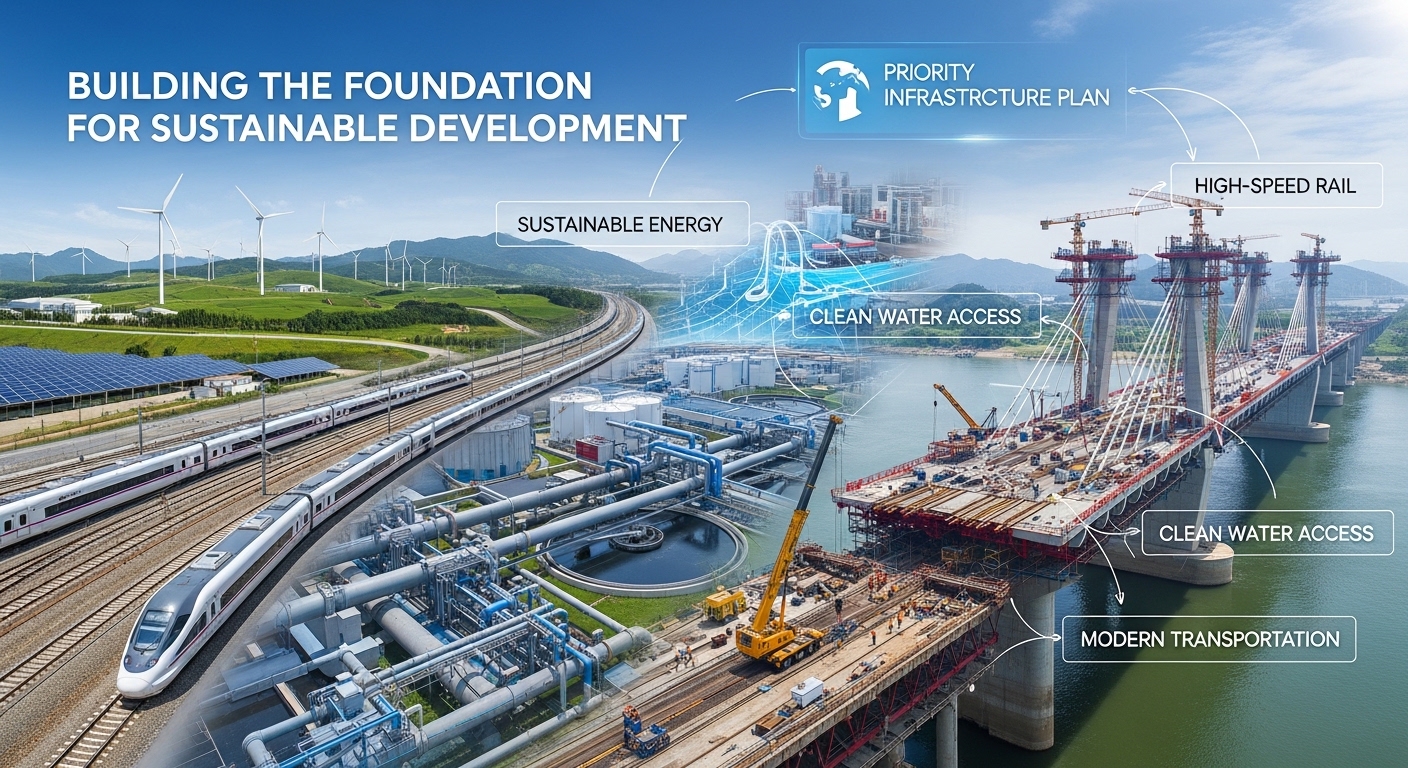
Efficient infrastructure is the backbone of any thriving economy, and a well-structured priority infrastructure plan ensures that resources are allocated effectively to meet long-term needs. Governments and organizations use these plans to identify critical projects, streamline funding, and coordinate development initiatives across regions. By focusing on high-impact infrastructure, decision-makers can enhance economic growth, improve public services, and address societal challenges. Understanding the principles, objectives, and implementation strategies of a priority infrastructure plan is essential for policymakers, planners, and communities seeking sustainable development and resilient urban and rural environments.
Defining a Priority Infrastructure Plan
A priority infrastructure plan is a strategic framework that identifies and sequences critical infrastructure projects based on economic, social, and environmental importance. It evaluates current assets, future demands, and potential risks to determine which initiatives should receive immediate attention and funding. By prioritizing investments in transportation, energy, water management, and digital infrastructure, the plan ensures that resources are allocated efficiently. It also provides a roadmap for long-term development, helping policymakers and stakeholders coordinate actions across sectors. This approach reduces redundancy, addresses urgent needs, and strengthens the overall resilience of infrastructure systems.
Objectives of a Priority Infrastructure Plan
The primary objectives of a priority infrastructure plan include enhancing economic efficiency, supporting population growth, and promoting sustainable development. By directing attention to high-impact projects, the plan ensures that essential services such as transportation, energy, and water supply meet community demands. It also aims to reduce congestion, prevent infrastructure bottlenecks, and improve connectivity across regions. Additionally, these plans consider environmental sustainability, ensuring projects align with climate and conservation goals. Overall, the objective is to create a balanced approach that combines economic growth, social well-being, and environmental responsibility, providing long-term benefits to communities and industries alike.
Criteria for Prioritizing Infrastructure Projects
Effective prioritization depends on clear evaluation criteria. Common factors include economic impact, cost-benefit analysis, urgency, and alignment with regional development goals. Planners also consider population density, accessibility, environmental risks, and long-term maintenance requirements. Projects that improve connectivity, support industry, or address critical service gaps often receive higher priority. By applying structured criteria, a priority infrastructure plan ensures that decision-making is transparent, equitable, and focused on achieving measurable outcomes. This systematic approach minimizes the risk of misallocated resources and maximizes the overall return on investment for communities and governments.
Key Components of the Plan
A comprehensive priority infrastructure plan typically includes detailed project inventories, cost estimates, timelines, funding strategies, and risk assessments. It may also integrate stakeholder consultations, environmental impact evaluations, and legal considerations. Mapping existing infrastructure and identifying gaps allows planners to understand immediate needs and potential constraints. Clear documentation of responsibilities and governance structures ensures accountability and smooth project execution. By combining technical analysis with strategic foresight, the plan provides a roadmap for infrastructure development that is both practical and adaptable to changing conditions, ensuring projects are implemented efficiently and effectively.
Economic Benefits of Prioritized Infrastructure
Prioritizing infrastructure investments generates significant economic benefits. Improved transportation networks reduce travel time, enhance logistics efficiency, and lower operational costs for businesses. Reliable energy and water systems attract investment and support industrial growth. Infrastructure projects also create employment opportunities during construction and long-term operations. By targeting high-impact areas, a priority infrastructure plan stimulates economic activity while minimizing wasteful spending. These benefits extend to households and communities by enhancing access to essential services, promoting business growth, and fostering regional competitiveness. A well-structured plan ensures that resources deliver maximum economic and social value.
Environmental and Social Considerations
Modern priority infrastructure plans increasingly integrate environmental and social factors into decision-making. Projects are evaluated for their impact on natural ecosystems, carbon emissions, and climate resilience. Social considerations include accessibility, equity, and community benefits. Sustainable design practices, green technologies, and resource-efficient construction methods are encouraged to reduce environmental footprints. By considering these factors during planning, governments and organizations ensure that infrastructure projects support long-term ecological balance and social well-being. This integrated approach enhances public acceptance, aligns with global sustainability goals, and contributes to resilient and inclusive development outcomes.
Funding and Resource Allocation
Securing adequate funding is a critical component of a priority infrastructure plan. Governments often combine public budgets with private investment, public-private partnerships, and international financing sources. Efficient resource allocation ensures that high-priority projects are completed on schedule and within budget. Financial planning also accounts for long-term maintenance and operational costs, preventing infrastructure deterioration. Transparency in funding decisions enhances accountability and public trust. By establishing a clear framework for financial management, the plan ensures that investments are sustainable, strategic, and capable of supporting ongoing economic and social development objectives.
Implementation Challenges and Solutions
Implementing a priority infrastructure plan involves navigating multiple challenges, including regulatory approvals, land acquisition, and coordination across agencies. Delays, cost overruns, and political changes can also hinder progress. Effective project management, stakeholder engagement, and risk mitigation strategies are essential for overcoming these obstacles. Leveraging technology for project monitoring, data analysis, and communication can improve efficiency and accountability. Continuous evaluation and flexibility allow planners to adapt to unforeseen circumstances. Addressing these challenges ensures that priority infrastructure projects are delivered successfully, achieving intended outcomes and reinforcing the credibility of the planning process.
Monitoring and Evaluation
Monitoring and evaluation are vital for ensuring the success of a priority infrastructure plan. Regular performance assessments track project progress, budget adherence, and compliance with environmental and social standards. Key performance indicators measure outcomes such as connectivity improvements, economic growth, and service accessibility. Feedback mechanisms help identify inefficiencies and inform future planning cycles. Continuous evaluation allows policymakers to refine strategies, prioritize emerging needs, and maintain accountability to stakeholders. By establishing robust monitoring frameworks, a priority infrastructure plan delivers measurable results and adapts to changing economic, social, and environmental conditions, ensuring long-term success.
Conclusion
A priority infrastructure plan is a strategic tool that guides effective investment in essential projects, balancing economic, social, and environmental objectives. By prioritizing high-impact initiatives, governments and organizations can optimize resource allocation, promote sustainable growth, and enhance community well-being. Comprehensive planning, clear criteria, and ongoing monitoring ensure that infrastructure development is efficient, resilient, and adaptable to future needs. Implementing such plans contributes to stronger regional connectivity, improved public services, and long-term economic stability, laying the foundation for prosperous and sustainable development.